Oil markets are bracing for a potentially significant production shift as OPEC+ considers accelerating output increases following escalating geopolitical tensions in the Middle East. Sources close to the discussions indicate that the alliance may approve a larger-than-expected supply hike at its upcoming meeting.
The development comes after Saudi Arabia and the United Arab Emirates reportedly raised oil exports in anticipation of possible supply disruptions stemming from recent U.S.–Israeli strikes on Iran.
With crude prices climbing and traders closely monitoring the security of the Strait of Hormuz, OPEC+ now faces a pivotal decision that could influence global energy markets, inflation trends, and economic stability.
OPEC+ Meeting: Larger Output Hike Under Consideration
Eight key members of OPEC+—Saudi Arabia, Russia, the UAE, Kazakhstan, Kuwait, Iraq, Algeria, and Oman—were already scheduled to convene to determine April production levels.
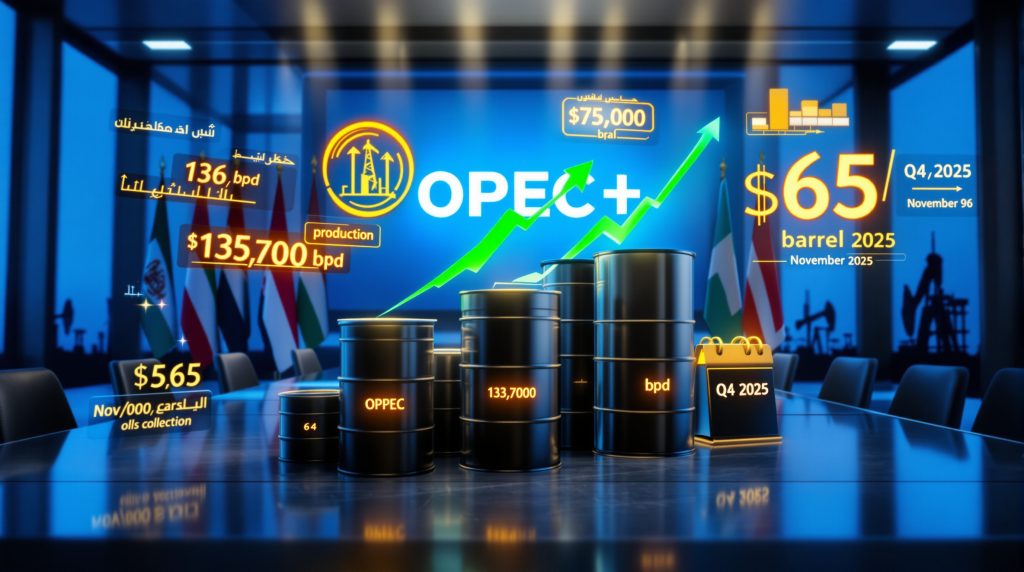
Initial expectations pointed toward a modest increase of 137,000 barrels per day (bpd), aligning with seasonal demand patterns and the anticipated rise in fuel consumption during the U.S. summer driving season.
However, sources now suggest that a significantly larger increase of 411,000 bpd is under active consideration—three times the previously floated volume. One source indicated that the boost could even reach 548,000 bpd if members decide that preemptive stabilization is necessary.
If implemented, the April adjustment would end a three-month pause in output hikes that had been in place due to seasonal demand softness.
Saudi Arabia and UAE Raise Exports in Advance
Evidence suggests that key Gulf producers have already begun increasing supply to global markets.
- Abu Dhabi is expected to export higher volumes of its flagship Murban crude in April.
- Saudi Arabia has reportedly raised both production and exports as part of contingency planning.
These moves appear designed to reassure markets amid rising fears of disruption linked to conflict involving Iran. The Strait of Hormuz remains one of the world’s most critical oil transit chokepoints, with roughly 20% of global supply passing through it.
Any interruption—even temporary—could trigger sharp price spikes.
Oil Prices Climb on Geopolitical Risk Premium
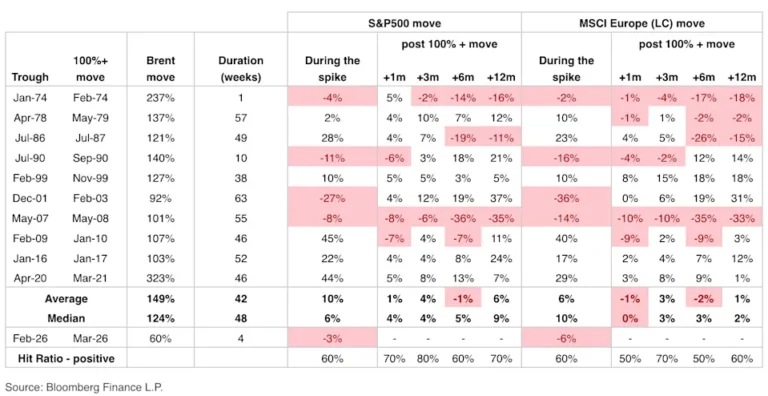
Despite concerns about potential oversupply, crude prices have risen steadily this year. Brent crude recently traded around $73 per barrel, reaching its highest level since mid-2025.
The rally reflects mounting geopolitical risk premiums rather than structural demand growth. Markets had already priced in the possibility of U.S. military action against Iran, and the confirmation of strikes intensified uncertainty.
Analysts note that even in scenarios where physical supply remains uninterrupted, the perception of risk can elevate prices due to precautionary buying, insurance costs, and shipping adjustments.
OPEC+ Strategy: Balancing Supply and Market Stability
OPEC+ previously increased production quotas by approximately 2.9 million bpd from April through December 2025—equivalent to roughly 3% of global oil demand. The group then paused additional hikes from January through March 2026 due to softer seasonal consumption.
Now, the alliance must weigh several competing factors:
- Preventing Price Spikes: Higher output could offset geopolitical risk premiums.
- Avoiding Oversupply: Global demand growth remains moderate.
- Maintaining Market Share: Non-OPEC producers, particularly U.S. shale operators, remain competitive.
- Managing Internal Cohesion: Larger increases require consensus among members with varying fiscal needs.
Saudi Arabia, as the de facto leader of OPEC+, traditionally prioritizes price stability and long-term market management. A preemptive output increase could signal confidence in supply resilience while preventing excessive volatility.
Russia and Broader Geopolitical Context
Russia, a core OPEC+ member, also plays a critical role in the alliance’s strategic calculations. With global energy markets already strained by geopolitical tensions in multiple regions, coordination between Gulf producers and Moscow remains essential to shaping supply expectations.
The decision taken at the upcoming meeting may also carry political symbolism, signaling unity and responsiveness during heightened international tension.
Inflation and Global Economic Implications
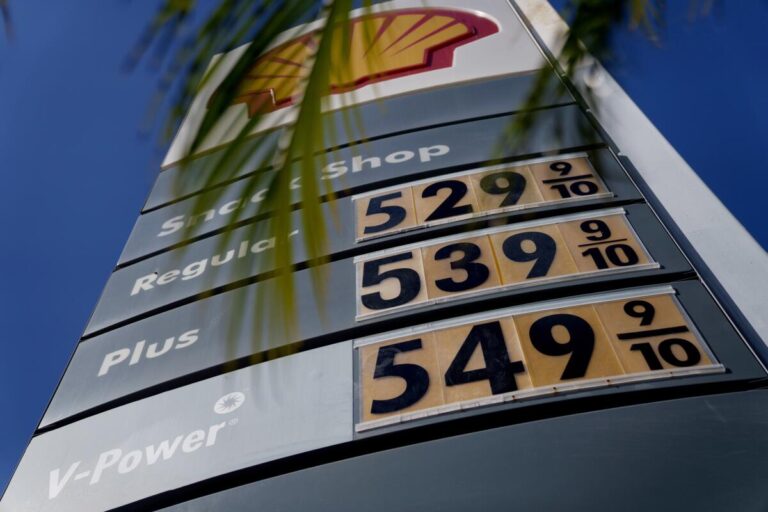
Oil prices directly influence inflation, transportation costs, and industrial input prices worldwide. A surge toward $80–$100 per barrel could:
- Increase consumer fuel prices
- Raise shipping and logistics costs
- Complicate central bank monetary policy
- Slow economic growth in energy-importing nations
Conversely, a substantial OPEC+ production boost could temper price spikes and stabilize inflation expectations.
Financial markets will closely monitor the meeting outcome, as energy prices remain a key macroeconomic driver.
Market Outlook: Volatility Ahead
Even with proactive supply increases, uncertainty will persist as long as geopolitical tensions remain elevated. Key variables include:
- Security of shipping lanes in the Strait of Hormuz
- Scope and duration of military operations
- Iranian export capacity
- Global demand trends heading into peak summer consumption
Energy traders, hedge funds, and institutional investors are likely to maintain heightened volatility pricing in oil futures markets.
Conclusion: A Crucial Decision for Global Energy Stability
OPEC+ now stands at a critical juncture. With Saudi Arabia and the UAE already increasing exports, the alliance appears prepared to respond decisively to market risk.
Whether the group opts for a moderate 137,000 bpd increase or a more aggressive 411,000 bpd—or higher—the decision will shape oil price trajectories and broader economic conditions in the months ahead.
In a geopolitical environment defined by uncertainty, OPEC+ remains one of the most influential actors in stabilizing—or amplifying—global energy market dynamics.
About The Author