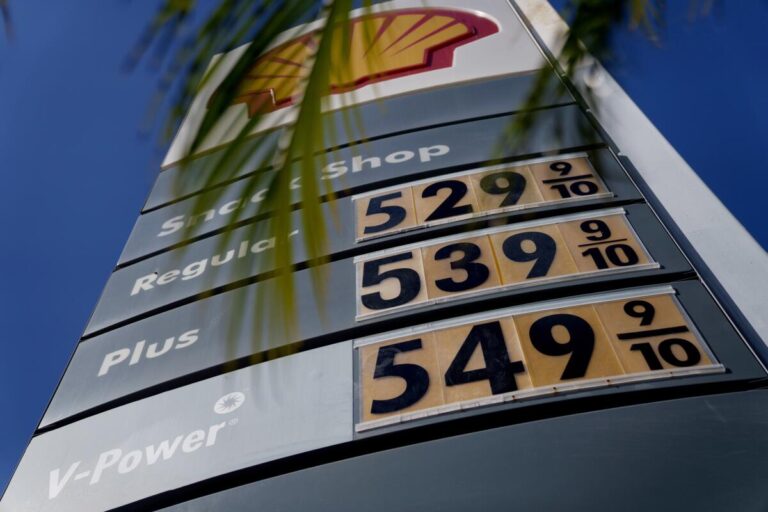
Oil prices climbed higher this week as global energy markets reacted to growing uncertainty over the future of a U.S.–Iran nuclear agreement. Traders in crude futures expressed caution and optimism in equal measure, balancing the potential for a peaceful diplomatic resolution with persistent geopolitical risks that could disrupt oil supply from the Middle East. Heightened tension, strategic military deployments, and the prospect of renewed negotiation talks have injected a risk premium into pricing, pushing benchmarks like Brent and West Texas Intermediate (WTI) toward their highest levels in months.
Geopolitical Tensions Drive Oil Near Multi-Month Highs
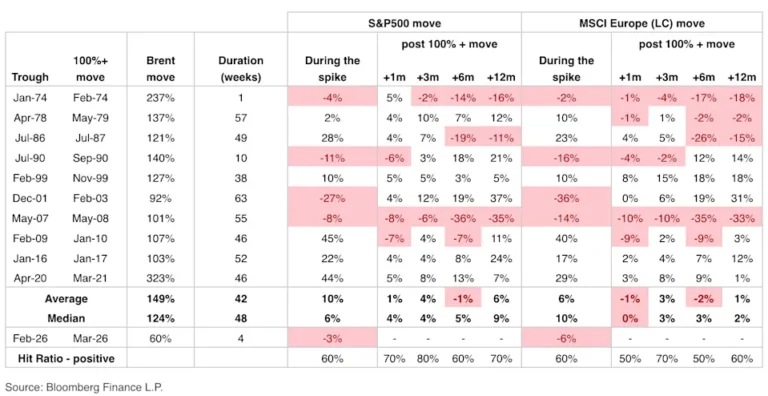
Crude oil prices have been navigating volatile territory as global markets evaluate developments in U.S.–Iran relations. Brent crude futures recently rose toward about $72 per barrel, while U.S. WTI benchmarks hovered near $67, reflecting a blend of optimism about talks and anxiety over possible fallout if negotiations fail. This price strength comes in part because investors are assigning extra value to oil based on geopolitical risk — a so-called “risk premium” — rather than immediate changes in supply or demand fundamentals.
A fresh round of nuclear negotiations is scheduled to begin in Geneva later this week, drawing intense market focus. With both sides facing mounting domestic and international pressure, traders are watching closely for any breakthrough that might stabilize the region and ease supply concerns.
Trump’s Diplomacy and Military Posture Influence Market Sentiment
U.S. political signals have played a major role in shaping oil prices. President Donald Trump publicly reiterated his preference for a diplomatic resolution with Iran, warning that failure to secure an agreement would be detrimental for Tehran and carry serious consequences. These comments have underscored the delicate balance between diplomatic engagement and deterrence.
At the same time, military activity in the region — including the repositioning of U.S. assets and the evacuation of non-essential diplomatic personnel — has sustained market fears about the potential for escalation. The ongoing buildup contributes to the geopolitical risk premium embedded in oil prices and suggests that traders remain cautious about the short-term direction of the market.
Strait of Hormuz: A Critical Supply Chokepoint
A central factor in the oil price narrative is the Strait of Hormuz, a narrow maritime passage through which a significant portion of global crude and liquefied natural gas transits. Nearly 20% of all seaborne oil exports cross this strategic waterway, making it critical to international energy flows. Any disruption — whether from military conflict, navigational restrictions, or retaliatory sanctions — could tighten physical supply and trigger sharp price spikes.
Recent military exercises by Iran in and around the Strait have heightened concerns that routine operations could escalate into broader conflict or intermittent disruptions. While there has been no extended closure of the route, analysts note that continued tensions make it a focal point for risk assessment in oil markets.
Market Reactions: Bulls, Bears, and Geopolitical Premiums
For now, oil pricing appears heavily influenced by sentiment rather than fundamental supply constraints. Analysts highlight that global oil inventories remain significant, and physical supply has not yet experienced long-term disruptions. Nonetheless, the anticipation of conflict or breakdown in negotiations has sustained prices near recent multi-month highs.
Some traders view oil’s recent behavior as a reflection of anxiety and headline-driven volatility, where speculation, geopolitical news, and immediate political statements can outweigh traditional supply-and-demand data. This type of trading can amplify price swings and make crude particularly sensitive to near-term developments.
What Traders Are Watching Next
Looking ahead, market participants are focused on several key catalysts that could shape oil’s trajectory:
- Outcome of the nuclear talks in Geneva: A successful diplomatic resolution could ease geopolitical risk premiums and relieve upward pressure on prices. Conversely, a breakdown in negotiations might intensify fears of conflict and supply disruption.
- U.S. and Iranian foreign policy signals: Any public statements, military movements, or shifts in sanction strategy could trigger renewed volatility.
- Shipping and insurance cost trends: Should tensions persist, insurance costs for shipping through the Strait of Hormuz and surrounding waters could rise, contributing further to the cost of oil logistics and thereby influencing pricing.
- OPEC+ production decisions: Although not directly tied to the Iran negotiations, decisions by OPEC countries and their partners regarding output quotas can influence global supply dynamics and interact with geopolitical risk.
Each of these factors could either amplify current price levels or lead to renewed downward pressure if risk perceptions ease. Additionally, investors are weighing broader economic signals such as global demand forecasts, stock inventory levels, and macroeconomic growth expectations, all of which contribute to the complex pricing environment in oil markets.
Conclusion: Oil Markets at a Geopolitical Crossroads
In the current energy landscape, crude oil prices are sitting at the intersection of diplomacy, geopolitics, and investor psychology. Traders are pricing in a premium for potential risk while keeping a close eye on diplomatic progress in U.S.–Iran talks. With Brent crude near a several-month peak and WTI similarly buoyed by heightened tension, global markets are effectively betting on the outcome of geopolitical developments as much as on energy fundamentals.
Whether peace is achieved or tensions escalate further, the outcome will likely have a lasting influence on oil price trends in 2026 and beyond. In the meantime, energy markets remain highly sensitive to political signals, military movements, and strategic geopolitical maneuvers that could reshape the global oil price landscape.
About The Author