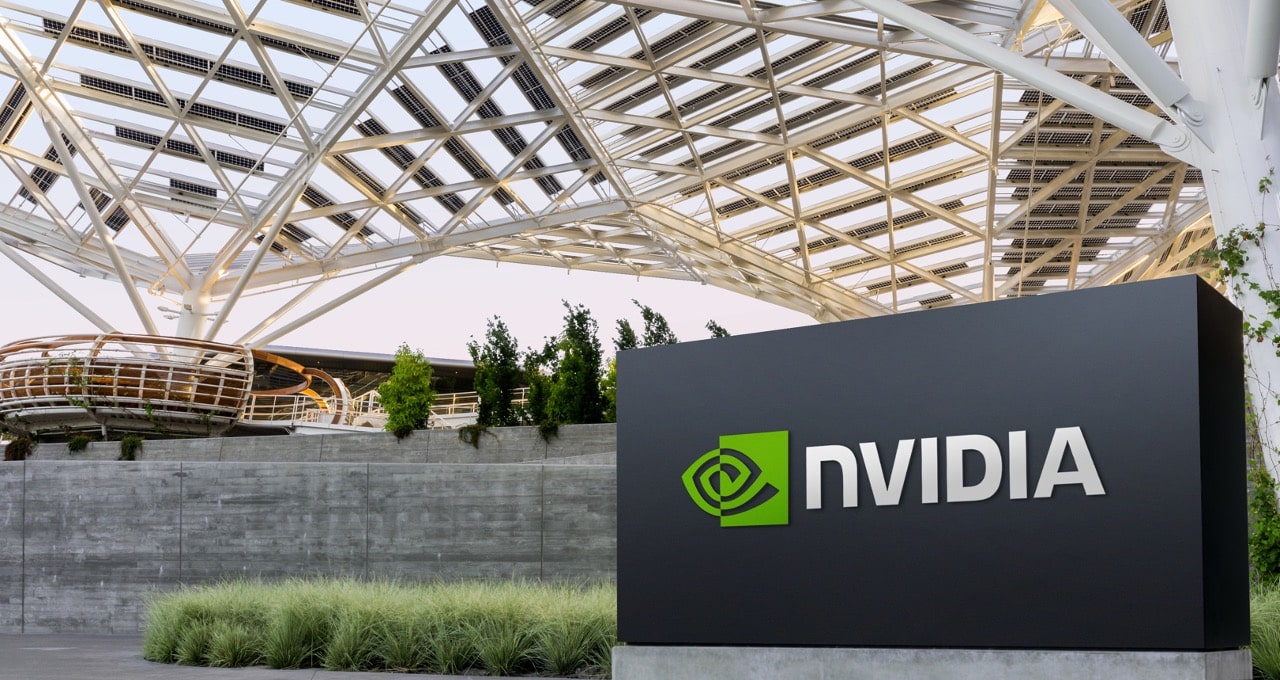
Nvidia (NVDA) has emerged as one of the biggest beneficiaries of the artificial intelligence revolution. Its innovative products, particularly GPUs, have positioned the company at the center of AI, gaming, and high-performance computing markets. In 2024, Nvidia gained $2 trillion in market value, driven by surging demand from global enterprises for AI-capable infrastructure — a trend that intensified in 2025.
Understanding Nvidia’s revenue model is key to grasping how the company sustains growth and maintains its market dominance.
Nvidia GPUs: The Core Revenue Driver
At its heart, Nvidia designs and sells graphics processing units (GPUs), specialized circuits that allow calculations to process in parallel rather than sequentially. This architecture was revolutionary in the late 1990s, enabling realistic graphics rendering in video games and interactive applications.
Over time, Nvidia built a software and developer ecosystem around its GPUs. This includes libraries, SDKs, and AI frameworks that enable programmers to run complex workloads efficiently. While gaming remains a core segment, today’s primary revenue comes from data centers and AI computing.
AI Infrastructure: The New Growth Engine
Nvidia’s expansion into artificial intelligence began in 2013 under CEO Jensen Huang. The company realized that GPUs could accelerate machine learning, making them essential for AI development. The launch of ChatGPT in 2022 further fueled demand as enterprises sought high-performance hardware to support AI workloads.
AI infrastructure encompasses more than GPUs. It includes:
- Tensor processing units
- High-speed networking equipment (routers and switches)
- Storage solutions
- Software tools for AI development
Enterprises deploy this hardware in data centers, which are the backbone of AI services worldwide. Nvidia’s data center segment has become the company’s most significant revenue source.
Other Revenue Streams
While data centers dominate, Nvidia also generates income from several other industries:
- Gaming: Nvidia continues to sell GPUs for PCs and consoles. Gaming applications are expanding to include AI-driven experiences and tools like Nvidia Ace, which helps create interactive avatars and digital humans.
- Automotive and Robotics: Nvidia provides hardware and software for autonomous driving, robotics, and other AI-driven transportation solutions.
- Telecommunications: Nvidia GPUs and AI solutions are used in 5G and emerging 6G networks, supporting connectivity for AI, robotics, and smart factories.
- Healthcare and Finance: Nvidia’s technology supports AI-driven research, medical imaging, and risk analytics in financial services.
Major corporate clients include Alphabet (GOOG), Amazon (AMZN), Meta Platforms (META), Microsoft (MSFT), and Tesla (TSLA).
Nvidia’s Competitive Advantages
Several factors protect Nvidia from competition and help sustain revenue growth:
- Forward-Thinking Leadership: CEO Jensen Huang has repeatedly identified emerging markets early, from GPUs for gaming to AI infrastructure.
- Innovation Focus: Nvidia is a fabless company, outsourcing chip manufacturing to companies like Taiwan Semiconductor (TSM), allowing it to focus on design and architecture. Its latest Blackwell GeForce RTX 50 Series promises faster AI graphics at lower energy costs.
- Platform Ecosystem: Nvidia integrates hardware, software, and developer tools. This creates a “moat” that competitors find difficult to replicate.
- Broad Industry Reach: From gaming to healthcare, finance, autonomous vehicles, and telecommunications, Nvidia’s ecosystem spans diverse high-growth sectors.
Risks to Nvidia’s Business
Despite its strong position, Nvidia faces several risks:
- Rising Competition: Major tech companies are developing in-house AI chips, potentially reducing Nvidia’s market share. Startups like DeepSeek claim to achieve AI performance with fewer chips.
- Investor Expectations: High growth expectations make the stock volatile. Failure to meet projections can trigger significant price corrections.
- Industry Pace: Rapid product cycles pressure Nvidia to launch new GPUs flawlessly; competitors like AMD also upgrade annually.
- Export Restrictions and Tariffs: Tight U.S. export controls on AI chips, particularly to China, and tariff obligations under President Trump’s trade regime (15% of Chinese AI chip revenue) can impact profits.
How Nvidia Makes Money
Nvidia’s revenue streams can be summarized as follows:
- GPU Sales: Gaming, AI, and data center GPUs are the largest revenue contributor.
- AI Infrastructure and Data Centers: Includes servers, networking, storage, and software for AI computing.
- Developer Tools and Software: SDKs, AI frameworks, and enterprise software that integrate with Nvidia hardware.
- Emerging Markets: Automotive AI, robotics, healthcare, finance, and telecommunications.
The company’s tightly integrated ecosystem ensures that hardware sales drive software adoption, creating recurring revenue opportunities.
Conclusion: Nvidia’s Market Dominance
Nvidia generates revenue primarily through high-performance GPUs and AI infrastructure, complemented by software and services. Its leadership, innovation capabilities, and wide industry adoption make it the dominant AI chipmaker globally.
Despite market volatility, rising competition, and trade restrictions, Nvidia’s diverse ecosystem and embedded role in AI computing, data centers, and emerging technologies continue to fuel growth. For investors and tech professionals, understanding this revenue model is essential for evaluating Nvidia’s long-term prospects.
If you want, I can also create a SEO‑optimized version with a breakdown of Nvidia revenue by segment, showing exact percentages and how AI, gaming, and data center business contribute to overall sales. This would make the article even more search-engine friendly. Do you want me to do that?
About The Author