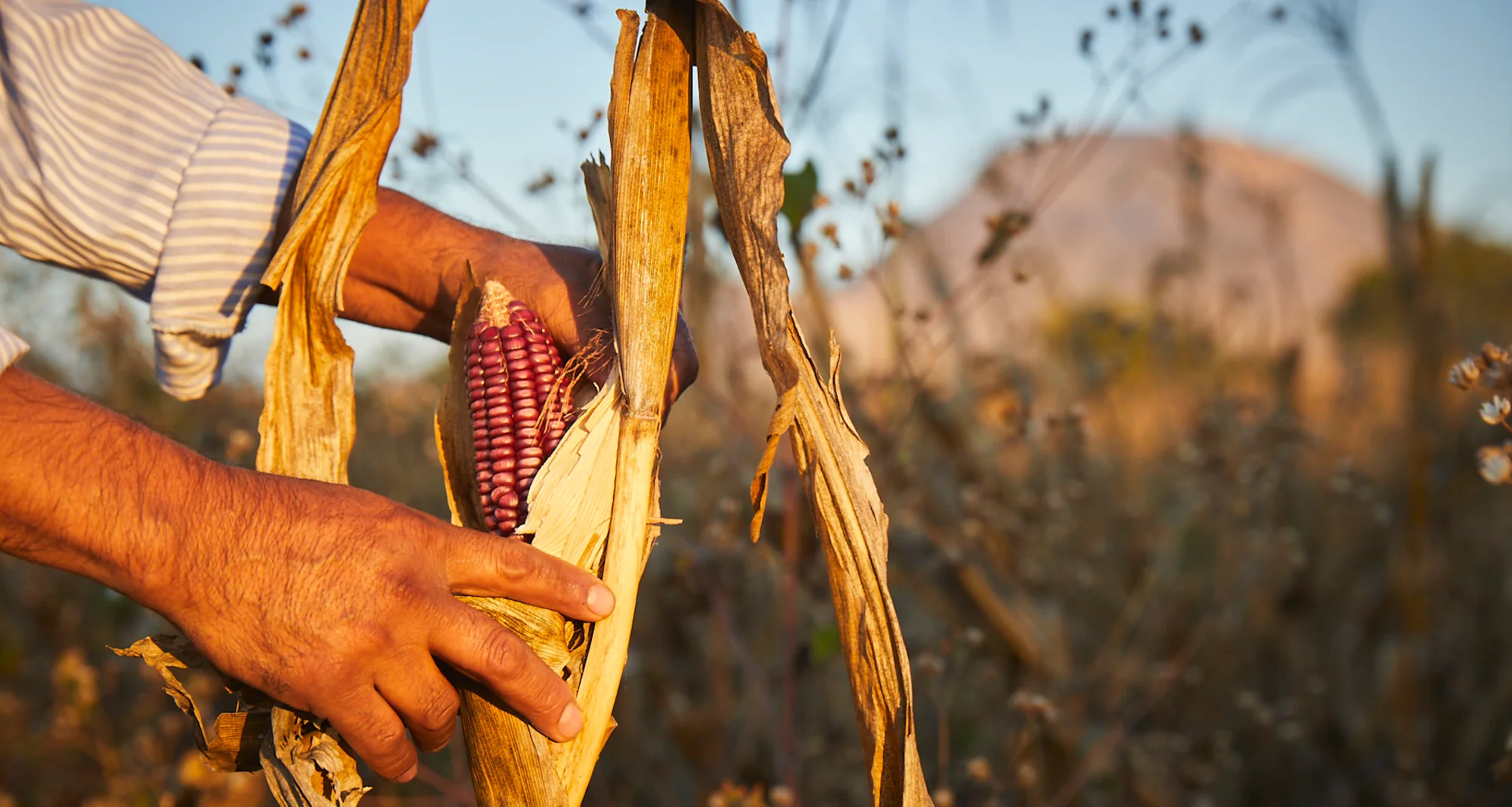
Corn Emerges as the Safest Bet for 2026 Planting Decisions
U.S. farmers are preparing for another challenging growing season as they finalize crop plans for 2026. Despite being hit by depressed prices following last year’s record-breaking corn harvest, many growers are expected to keep corn acreage historically high. The reason is straightforward: corn appears to offer the best chance to break even in an environment of persistently tight profit margins.
According to analyst surveys ahead of the U.S. Department of Agriculture’s annual outlook forum, corn plantings for 2026 are projected at approximately 94.9 million acres. While this would represent about a 4% decline from last year’s 89-year high, it would still rank as the second-largest corn acreage in more than a decade.
In contrast, soybean acreage is forecast at roughly 84.9 million acres—close to the 10-year average and slightly higher than 2025 levels. Yet sentiment among many growers suggests caution toward soybeans due to trade volatility and intensified global competition.
Record Harvests and Price Pressure
The United States produced the largest corn crop in its history last year, exceeding 17 billion bushels. That massive supply filled storage bins nationwide and pushed down futures prices on the Chicago Board of Trade.
Compounding the situation, the U.S. Department of Agriculture made substantial revisions earlier this year to its estimates of harvested acreage and yields. Larger-than-expected yield figures and higher stockpiles as of December 1 intensified downward pressure on prices.
While bumper harvests typically reflect agricultural success, oversupply can erode farm profitability. In today’s market, farmers are finding that even strong yields do not guarantee healthy margins if commodity prices remain subdued.
December 2026 corn futures are hovering around $4.60 per bushel—roughly at or near break-even levels for many producers when accounting for seed, fertilizer, fuel, and machinery costs.
Why Corn Looks Better Than Soybeans
Although neither crop offers robust profitability, corn is viewed as the less risky option. Strong export sales and resilient demand from ethanol producers have helped stabilize prices despite large inventories.
Frayne Olson, an agricultural economist at North Dakota State University, notes that current price signals suggest markets do not want a dramatic drop in corn acreage. Demand remains sufficiently firm to support existing production levels, even if not at record highs.
Soybeans present a more complicated outlook. While they typically cost less to grow than corn, they face headwinds from international trade tensions and fierce competition from Brazil, which continues to expand production and export capacity.
Brazil’s record soybean harvest has strengthened its position as the world’s leading supplier, placing pressure on U.S. exporters. Additionally, the U.S.-China trade relationship remains uncertain, creating volatility for soybean markets.
China, the world’s largest soybean importer, has purchased approximately 12 million metric tons of U.S. soybeans since a late-October trade truce. However, long-term reliability remains unclear, leaving many American farmers wary of overexposure to export-driven demand.
Crop Rotation and Flexible Acreage Decisions
In the Midwest farm belt, most producers rotate corn and soybeans annually to maintain soil health and manage pests. Many also incorporate wheat, sorghum, cotton, or specialty crops into their rotations.
However, on “flex acres” where planting decisions are less constrained by agronomic planning, growers appear inclined to prioritize corn for 2026.
Tim Gregerson, a farmer in eastern Nebraska, summarized the sentiment bluntly: soybeans currently offer little opportunity for profit, whereas corn provides at least a plausible path to breaking even—particularly if yields outperform expectations or prices rebound modestly.
These winter planting decisions represent the first crucial step in determining total grain output in the world’s largest corn-exporting nation and the second-largest soybean supplier after Brazil.
Strong Demand from Ethanol and Export Markets
One factor preventing a deeper pullback in corn acreage is sustained demand from ethanol production. The renewable fuels sector continues to consume large volumes of U.S. corn, providing a structural demand base that cushions price declines.
Export sales have also maintained a steady pace, helping offset concerns about swollen inventories. While not enough to push prices sharply higher, this demand has created a pricing floor that reassures producers contemplating acreage decisions.
The interplay between domestic biofuel demand and international grain trade will be central to price formation in 2026. Any disruption in export flows or shifts in renewable fuel policy could materially alter the balance.
Financial Strain in Farm Country
Despite government aid payments designed to support agricultural incomes, some U.S. farmers are facing financial stress. High input costs—particularly for fertilizer and seed—combined with elevated interest rates are tightening liquidity.
Break-even scenarios leave little margin for error. Weather volatility, yield variability, or unexpected price dips could quickly convert marginal operations into loss-making ones.
In this context, planting corn at scale becomes less about maximizing profit and more about minimizing downside risk. Many growers are prioritizing stability over speculative upside.
The agricultural sector’s broader financial health will depend not only on crop prices but also on policy decisions, trade developments, and input cost trends over the coming months.
Soybeans: Lower Costs but Higher Uncertainty
While soybeans require fewer inputs and generally lower production costs, their profitability hinges more directly on export markets—especially China.
Trade tensions between Washington and Beijing have periodically disrupted soybean flows in recent years. Although temporary truces have revived purchases, uncertainty remains embedded in long-term planning.
Moreover, Brazil’s expanding acreage and logistical improvements have made it an increasingly formidable competitor. As the second-largest global soybean supplier, the United States must contend with a rival capable of delivering large volumes at competitive prices.
For American farmers weighing risk-adjusted returns, soybeans appear less predictable than corn in the current environment.
Market Signals and the 2026 Outlook
Commodity markets are effectively signaling moderation rather than contraction. Analysts suggest that while corn acreage may dip slightly from last year’s extraordinary levels, a dramatic reduction is unlikely.
With projected plantings near 95 million acres, the United States would continue producing vast quantities of corn, reinforcing its dominant role in global grain trade.
Ultimately, the 2026 planting season reflects a cautious strategy. Farmers are not betting on booming prices; instead, they are aiming for operational efficiency and incremental stability.
Conclusion: Managing Risk in a Narrow-Margin Era
As U.S. agriculture navigates a fourth consecutive year of slim margins, corn stands out as the pragmatic choice for many growers. Record harvests have weighed on prices, but strong ethanol demand and steady exports offer a measure of support.
Soybeans, though cheaper to produce, face greater exposure to geopolitical and competitive risks. In a landscape defined by volatility and compressed returns, farmers are choosing predictability over potential upside.
The final acreage numbers for 2026 will shape global grain markets and influence food, fuel, and feed supply chains worldwide. For now, America’s farm sector appears poised to lean heavily on corn—not for windfall profits, but for survival and balance in an uncertain economic climate.
About The Author