AI Enters Everyday Life
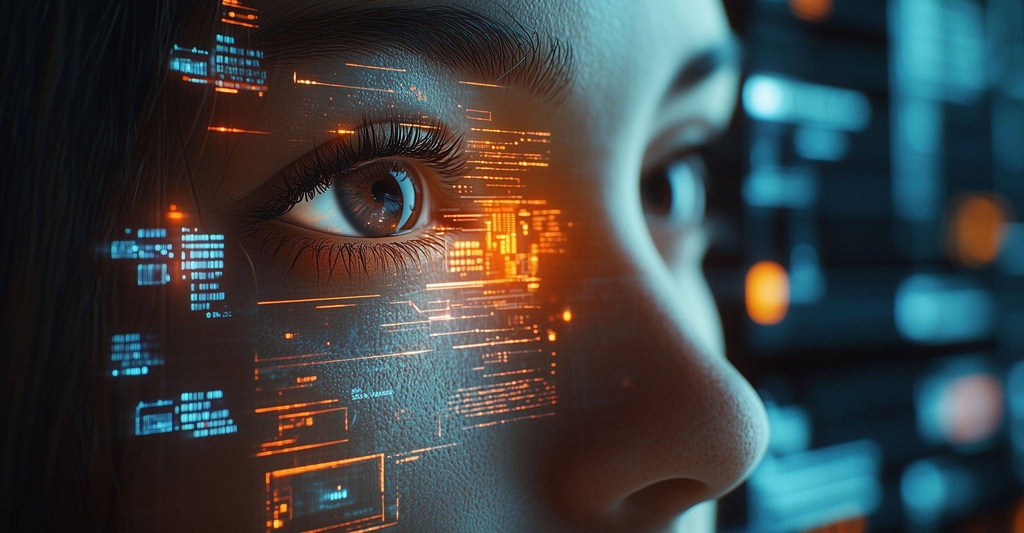
If future historians are asked to identify the year artificial intelligence truly entered everyday life, 2025 will likely be the answer. Throughout the year, AI systems moved decisively from niche professional tools to technologies embedded in daily routines. Hyper-realistic AI-generated images and videos blurred the line between real and synthetic, while entire industries were forced to adapt to rapid technological change.
Most notably, interacting with AI chatbots became routine. Millions of people relied on them not only for practical tasks, but also for emotional support and personal guidance, marking a profound shift in how humans relate to software.
Chatbots Become Mass-Market Tools
The growth of AI chatbots in 2025 was unprecedented. OpenAI reported that ChatGPT’s weekly users rose from 300 million at the end of 2024 to over 800 million by November 2025. Similar tools such as Gemini and Copilot reached comparable scale, effectively becoming as essential as web browsers once were in the late 1990s.
Search behavior also changed. Many users began replacing traditional search engines with chatbots, valuing conversational and synthesized answers despite known risks of inaccuracies. Among teenagers, adoption was especially intense, driven by school use and homework assistance. Studies suggest that roughly one in three U.S. teenagers now interacts with an AI chatbot daily.
Workplaces, Layoffs, and Corporate Rivalries
In the workplace, AI adoption accelerated through enterprise software. Microsoft integrated Copilot into its 365 suite, pushing AI into offices worldwide. This shift had immediate labor consequences, particularly in software development. U.S. tech companies reportedly laid off around 150,000 workers in 2025, often citing AI-driven efficiency gains.
The year also reshaped competitive dynamics among tech giants. Google staged a strong comeback with advanced products such as Gemini 3 and highly realistic media-generation tools, while Apple struggled to articulate a clear AI strategy and lost talent to rivals. Meta, meanwhile, invested tens of billions of dollars in acquisitions and hiring, intensifying the race for AI dominance.
Massive Investments and Bubble Fears
Investment in artificial intelligence reached extraordinary levels. Spending on data centers alone accounted for roughly 40 percent of U.S. economic growth in 2025, fueling fears of an AI investment bubble. Financial analysts increasingly described the U.S. economy as a high-stakes bet on artificial intelligence, amplified by geopolitical competition with China.
Those fears intensified early in the year when a little-known Chinese company unveiled AI models comparable to Western systems at significantly lower costs, triggering massive stock market losses. While U.S. firms retained overall leadership, China’s rapid progress underscored the fragility of technological dominance.
Culture, Creativity, and AI Controversies
The cultural impact of AI shifted dramatically in 2025. After years of lawsuits and resistance, major players in the music and media industries moved toward licensing agreements with AI companies. AI-generated songs entered mainstream charts, and video-generation tools reshaped social media, flooding platforms with low-quality synthetic content.
This deluge led to widespread criticism and the popularization of the term “slop” to describe AI-generated filler content, ultimately chosen as the word of the year by Merriam-Webster. Meanwhile, concerns over mental health and emotional dependency on chatbots sparked debate, pushing AI companies to rethink design choices and content policies.
Unmet Promises and Uncertain Sustainability
Despite explosive growth, some of AI’s most ambitious promises remain unfulfilled. Artificial General Intelligence and autonomous AI agents capable of independently navigating the web have yet to materialize at scale. At the same time, doubts persist about the sustainability of current business models and the circular investment structures dominating the sector.
At the center of these concerns stands Nvidia, which controls the vast majority of the global GPU market. While its financial success has been extraordinary, analysts warn that overconcentration and political decisions—such as renewed permission to sell advanced chips to China—could shape the next phase of the AI race.
About The Author