Israel Authorizes Expansion of Mobile Technology
Israel has formally approved the rollout of fourth-generation (4G) mobile services for Palestinians living in the West Bank, according to a statement from the Israeli Communications Ministry. The decision represents a major development in regional telecommunications infrastructure and follows years of technological limitations.
The approval allows Palestinian operators to move beyond older network standards and offer faster mobile data services to their customers.
Agreements Signed With Palestinian Operators and Ericsson
The ministry confirmed that the two Palestinian mobile providers, Jawwal and Ooredoo, have signed management agreements alongside Swedish telecommunications company Ericsson. These agreements received Israeli authorization earlier this week, clearing the path for implementation.
Ericsson will provide key infrastructure support as part of the upgrade, helping Palestinian networks transition to more advanced mobile standards.
Background: From 3G to 4G After Years of Delays
Palestinian mobile companies began offering 3G services in the West Bank in 2018, ending a prolonged restriction that had prevented the use of local high-speed data networks. While the launch reduced the technological gap with Israel, Palestinian networks have remained significantly slower than Israeli providers operating on 5G frequencies.
The newly approved 4G upgrade stems from a 2022 framework agreement between Israel and the Palestinian Authority, which also envisioned eventual access to 5G technology. Israeli media reports indicate that progress was slowed by the war in Gaza and that the 4G rollout could take up to six months to complete.
Regional Connectivity Gaps Remain
While the West Bank is set to benefit from improved mobile speeds, disparities persist across the region. Israeli carriers already operate nationwide on advanced 5G networks and are in the process of phasing out older 2G and 3G services, urging consumers to adopt newer devices.
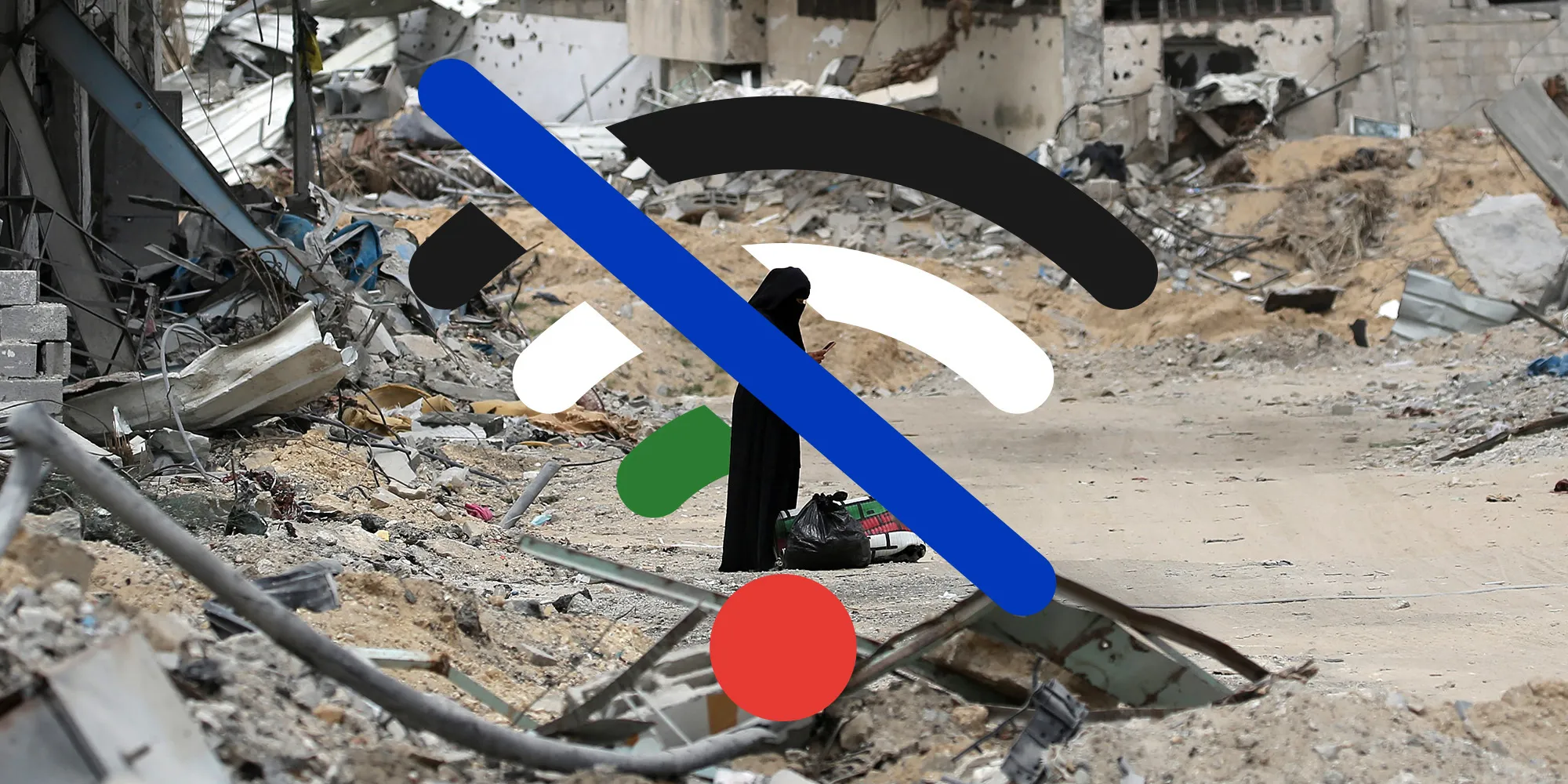
In contrast, Gaza continues to rely solely on 2G mobile networks, underscoring ongoing differences in telecommunications access between Palestinian territories.
About The Author