Hyundai Bets Big on Humanoid Robotics
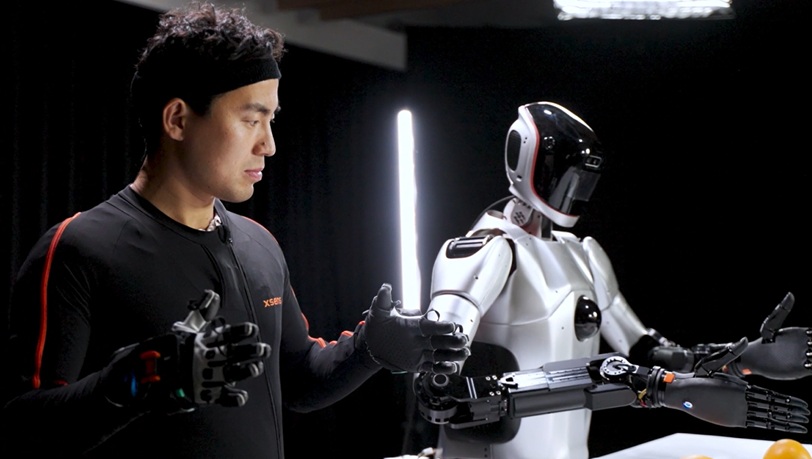
At CES 2026 in Las Vegas, Hyundai announced its ambitious plan to mass-produce humanoid robots, targeting thousands of units per year by 2028. The centerpiece of this effort is Atlas, a versatile humanoid robot capable of obstacle navigation, heavy lifting, and complex industrial tasks.
Hyundai acquired a majority stake in Boston Dynamics in 2021 for $1.1 billion, gaining access to advanced robotics technology that now forms the backbone of its production and operational strategy.
Industrial Applications and Manufacturing Scale
Hyundai plans to deploy Atlas initially in its own production facilities by 2028, focusing on parts sequencing—ensuring vehicle components are delivered to the right location at the right time. By 2030, the robots will handle more advanced tasks such as assembly and repetitive heavy lifting.
The company’s strategy leverages its Hyundai Mobis auto parts division and Hyundai Glovis logistics operations to create a full robotics value chain capable of producing up to 30,000 robots annually.
Expanding Robotics-as-a-Service
Hyundai will also grow its Robotics-as-a-Service (RaaS) model, offering subscription-based access to robots for businesses across sectors. This model aims to democratize industrial automation and provide companies with scalable robotic labor without the upfront capital expenditure.
Competition in the Humanoid Robot Space
Hyundai faces stiff competition from global players:
- Tesla’s Optimus robots are designed for business and industrial applications.
- Figure, Apptronik, and Agility Robotics are advancing humanoid robotics for warehouses, homes, and even outer space.
- China’s Unitree and 1X Technologies offer commercial and home-focused humanoid robots, with varying pricing models.
Tech giants like Nvidia are also investing in AI-driven robotics, highlighting the intersection of AI and physical automation as the next frontier.
Future Potential Beyond Manufacturing
Humanoid robots are expected to move beyond factories into hospitals, care facilities, and logistics operations, performing tasks that are too dangerous or repetitive for humans. While consumer acceptance of home-sized humanoid robots remains uncertain, Hyundai and other companies are pushing the technology forward rapidly.
About The Author