Key Takeaways
- China has approved imports of more than 400,000 Nvidia H200 AI chips for ByteDance, Alibaba, and Tencent
- The approvals come with conditions, and additional firms are now waiting in line
- Beijing is attempting to balance AI demand with domestic chip development
- The decision coincided with Nvidia CEO Jensen Huang’s visit to China
Beijing Grants Conditional Approval for Advanced Nvidia AI Chips
China has quietly authorized its three largest internet companies—ByteDance, Alibaba, and Tencent—to purchase Nvidia’s H200 artificial intelligence chips, according to multiple people familiar with the matter. The move represents a notable shift in Beijing’s stance on imports of advanced U.S. semiconductors, as policymakers seek to meet surging AI demand without undermining the country’s domestic chip industry.
The approvals allow the three companies to collectively acquire more than 400,000 H200 processors, one of Nvidia’s most powerful AI accelerators currently available for export to China. Additional Chinese firms are now lining up for subsequent approvals, signaling that the initial decision could open the door to broader access—albeit under tight government oversight.
Approvals Come With Strings Attached
While the green light has been granted, sources emphasized that the permissions are conditional, and the full details of those requirements are still being finalized. One person familiar with the process said the restrictions are significant enough that many customers have not yet converted their approvals into firm purchase orders.
Chinese authorities have previously warned domestic technology companies to limit their purchases of foreign chips to situations of genuine necessity. Regulators remain cautious about excessive reliance on U.S. semiconductor suppliers, particularly in strategically sensitive areas such as artificial intelligence and cloud computing.
One policy option discussed in earlier regulatory meetings would require companies importing Nvidia’s H200 chips to bundle each purchase with a specified ratio of domestically produced chips, a mechanism designed to support China’s local semiconductor ecosystem. It remains unclear whether this or similar measures will be included in the final approval terms.
Timing Linked to Nvidia CEO’s China Visit
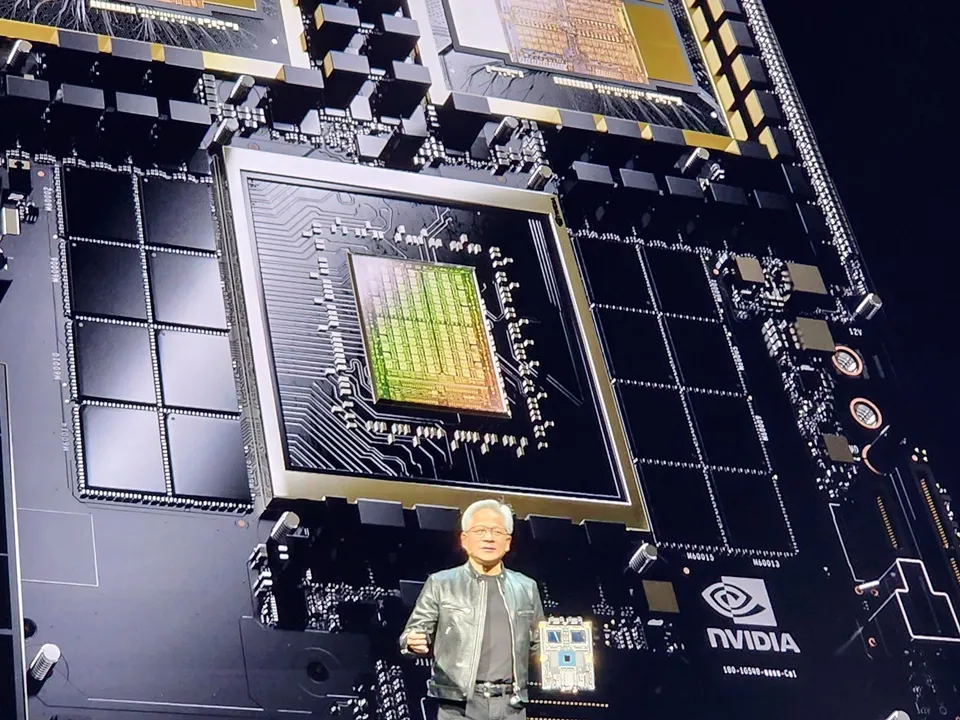
According to one source, the approvals were granted during Nvidia CEO Jensen Huang’s visit to China this week, a trip closely watched by both industry executives and policymakers. Huang has repeatedly emphasized China’s importance to Nvidia’s long-term growth, even as U.S. export controls have complicated the company’s access to the market.
Neither China’s commerce or industry ministries nor Nvidia responded to requests for comment. ByteDance, Alibaba, and Tencent have also declined to comment publicly on the approvals.
The H200 at the Center of U.S.–China Tech Tensions
The H200 chip has become a focal point in the ongoing technological rivalry between the United States and China. As Nvidia’s second-most powerful AI processor, it is widely sought after for training and running large-scale AI models, including those used in generative AI, recommendation systems, and cloud services.
Earlier this month, U.S. authorities formally cleared Nvidia to sell the H200 to Chinese customers, concluding that the chip falls within current export control limits. That decision removed a major regulatory barrier on the U.S. side—but shipments still required approval from Beijing, which has ultimate authority over whether foreign chips can enter the country.
Despite strong interest from Chinese companies, Beijing’s hesitation had remained the primary obstacle to H200 imports until now.
Balancing AI Growth With Domestic Self-Reliance
China’s cautious approach reflects a broader policy dilemma. On one hand, demand for high-performance AI chips is accelerating rapidly as Chinese companies race to deploy large language models, AI agents, and cloud-based services. On the other hand, Beijing remains committed to reducing long-term dependence on foreign semiconductor technology.
Allowing limited imports of Nvidia’s H200 chips helps relieve short-term supply constraints, particularly for leading firms that compete globally in AI development. At the same time, imposing conditions on those imports allows regulators to steer companies toward continued investment in domestic chipmakers.
Industry analysts note that this dual-track strategy—controlled access to foreign technology paired with industrial policy support for local alternatives—has become a defining feature of China’s approach to advanced computing.
What Comes Next
With ByteDance, Alibaba, and Tencent receiving initial approvals, attention now turns to:
- How restrictive the final conditions will be
- Whether approvals expand to smaller cloud and AI firms
- How quickly Chinese companies convert licenses into actual chip orders
- The impact on Nvidia’s China revenue outlook in 2026 and beyond
For now, the decision signals that Beijing is willing to tolerate selective imports of cutting-edge AI hardware, provided they do not derail its long-term ambition of semiconductor self-sufficiency.
About The Author