Introduction: A Landmark Visit Marks a Shift in UK–China Relations
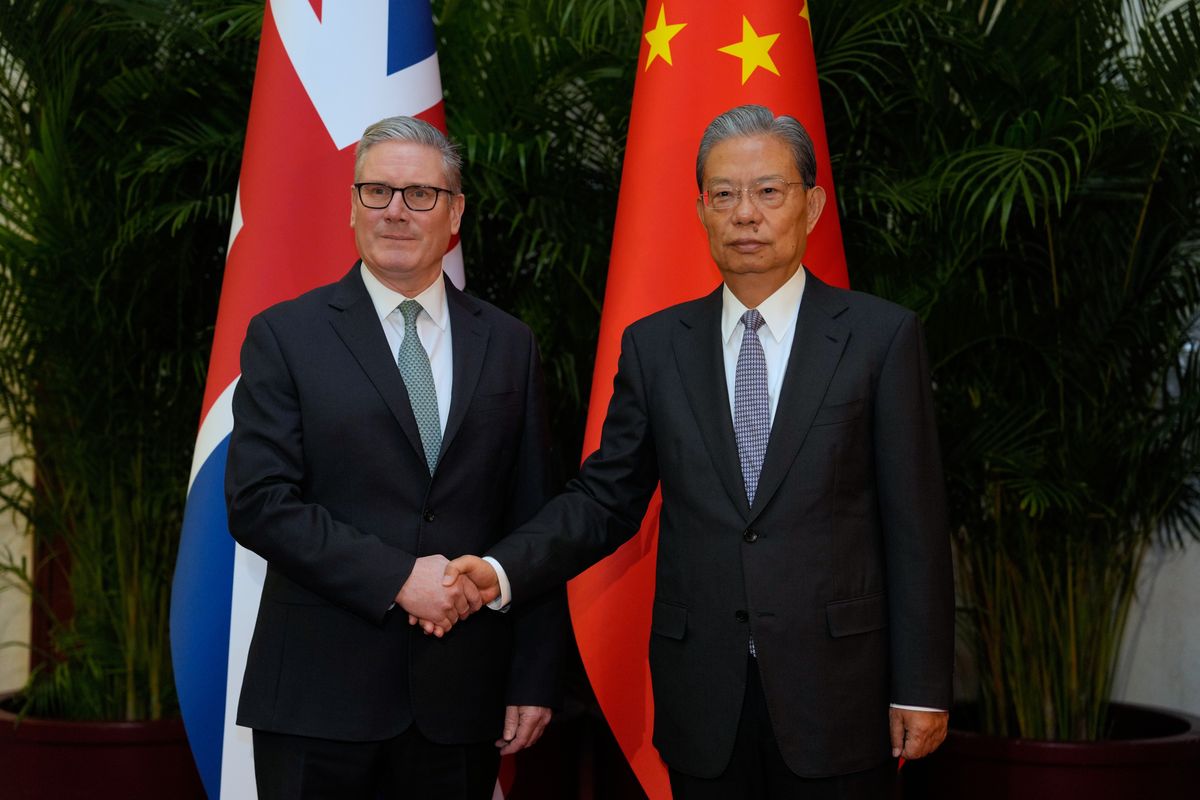
British Prime Minister Keir Starmer has sent a clear signal that the United Kingdom is seeking a new chapter in its relationship with China. During a high-profile visit to Beijing—the first by a British prime minister in eight years—Starmer emphasized the need for what he described as a “sophisticated relationship” with the world’s second-largest economy. The visit marks a notable departure from years of strained ties and underscores London’s renewed focus on economic pragmatism, global engagement, and strategic stability.
Starmer’s four-day trip comes at a time of heightened geopolitical uncertainty. With the United States adopting an increasingly unpredictable posture under President Donald Trump, many Western nations are recalibrating their diplomatic strategies. For Britain, rebuilding constructive ties with Beijing is being framed not as an endorsement of China’s political system, but as a practical necessity in an interconnected global economy.
A Symbolic Return to Beijing After Eight Years
Starmer’s visit is historically significant. No British prime minister had traveled to China since 2018, reflecting years of diplomatic frost driven by concerns over national security, human rights, and Beijing’s actions in Hong Kong. The decision to return to Beijing signals that London is prepared to move beyond the confrontational tone of recent years and explore areas of mutual interest.
The centerpiece of the trip was an extended meeting between Starmer and Chinese President Xi Jinping at the Great Hall of the People. The leaders spent nearly three hours together across formal talks and a working lunch, covering topics that ranged from geopolitics and trade to culture and sport. According to officials, the atmosphere was warm and constructive, with both sides stressing the importance of long-term stability.
Starmer’s Call for a ‘Sophisticated Relationship’
At the opening of the summit, Starmer outlined his vision for future UK–China ties. He described China as a “vital player on the global stage” and argued that Britain must adopt a more nuanced and mature approach in dealing with Beijing. Rather than viewing the relationship solely through the lens of rivalry or suspicion, Starmer said the UK should seek to identify opportunities for cooperation while maintaining honest dialogue on areas of disagreement.
This framing reflects Starmer’s broader foreign policy philosophy since his Labour Party returned to power. Facing sluggish economic growth at home, his government has prioritized trade, investment, and international engagement as tools to strengthen the British economy. Improved relations with China, one of the UK’s largest trading partners, are seen as a key component of that strategy.
Xi Jinping Signals Willingness to Rebuild Trust
President Xi responded positively to Starmer’s overtures. Acknowledging that relations between the two countries had experienced “twists and turns,” Xi said such fluctuations had not served the interests of either side. He expressed China’s readiness to develop a stable and long-term partnership with Britain, emphasizing the importance of mutual respect and strategic patience.
Xi framed the meeting as an opportunity to set the relationship on a more durable footing—one capable of withstanding political changes and global shocks. His remarks suggested that Beijing views Britain as a valuable partner in Europe, particularly as China seeks to diversify its diplomatic and economic ties amid tensions with Washington.
Economic Diplomacy Takes Center Stage
Economic issues featured prominently throughout the visit. Starmer was accompanied by more than 50 British business leaders, underscoring the commercial focus of the trip. Discussions reportedly included efforts to reduce Chinese tariffs on British exports, particularly whisky, which has long faced trade barriers in the Chinese market.
There were also signs of potential people-to-people benefits. Xi indicated that China would consider waiving visa requirements for British nationals, a move that could boost tourism, academic exchanges, and business travel. Starmer described the overall state of relations as “strong” and said progress had been made on multiple fronts.
When asked whether President Xi was someone he could do business with, Starmer offered a simple but telling response: “Yes.”
Global Context: Hedging Against U.S. Uncertainty
Starmer’s outreach to Beijing cannot be separated from the broader international context. Many Western leaders are reassessing their diplomatic options amid uncertainty over U.S. policy. President Trump’s renewed threats of trade tariffs and controversial foreign policy proposals have unsettled traditional allies, including Britain.
In recent weeks, several countries have intensified engagement with China as a hedge against volatility from Washington. Starmer’s visit followed closely on the heels of a trip by Canadian Prime Minister Mark Carney, who signed an economic agreement with Beijing aimed at reducing trade barriers. That deal reportedly drew criticism from the Trump administration, highlighting the delicate balancing act Western leaders now face.
Soft Diplomacy: Soccer, Shakespeare, and Symbolism
Beyond formal negotiations, the visit featured moments of cultural diplomacy designed to humanize the relationship. During their lunch, Starmer and Xi discussed English Premier League soccer, a sport with enormous popularity in China. The British prime minister presented Xi with a football from a recent match between Manchester United—Xi’s favorite team—and Arsenal, which Starmer supports.
The leaders also touched on literature, including the works of William Shakespeare, reinforcing a sense of shared cultural exchange. Such gestures, while symbolic, play an important role in building rapport and signaling goodwill in high-level diplomacy.
Security Concerns and Political Criticism at Home
Despite the positive tone, Starmer’s approach has drawn criticism within the UK. Opposition Conservative Party leader Kemi Badenoch said she would not have traveled to China, citing national security risks. British intelligence agencies have repeatedly warned that China engages in espionage against the UK government, allegations that Beijing strongly denies.
Starmer has acknowledged these concerns but argues that disengagement is not a viable solution. He has emphasized that Britain can pursue cooperation while remaining vigilant about security risks—a balancing act he describes as essential in today’s globalized world.
Joint Effort to Combat Migrant Smuggling Networks
One of the most concrete outcomes of the visit was a new agreement to cooperate on combating illegal migration. Britain and China announced plans to jointly tackle migrant-smuggling networks that facilitate dangerous crossings of the English Channel.
The initiative focuses on disrupting supply chains used by smugglers, including the use of Chinese-made engines for small boats. Under the agreement, British and Chinese authorities will share intelligence to identify trafficking routes and work with manufacturers to prevent legitimate products from being exploited by organized crime.
For Starmer, the deal represents a practical example of how engagement with China can deliver tangible security benefits for Britain.
Human Rights Dialogue Remains on the Table
Starmer also raised sensitive issues during his talks, including the case of Jimmy Lai, the Hong Kong media tycoon and British citizen convicted on national security charges. The prime minister described the discussion as respectful but candid, signaling that human rights concerns remain part of the UK’s agenda even as relations improve.
This dual-track approach—seeking cooperation while voicing disagreements—is central to Starmer’s concept of a “sophisticated relationship.” It reflects an effort to move beyond binary choices between confrontation and silence.
Conclusion: A Calculated Reset With High Stakes
Keir Starmer’s visit to China marks a calculated reset in UK–China relations. By prioritizing economic growth, pragmatic diplomacy, and selective security cooperation, the British government is signaling a more outward-looking posture after years of tension.
Whether this strategy will deliver lasting benefits remains to be seen. The challenges in the relationship—from espionage concerns to human rights disputes—have not disappeared. Yet Starmer’s message is clear: in a world shaped by economic interdependence and geopolitical uncertainty, Britain believes engagement with China is not just desirable, but necessary.
As global power dynamics continue to shift, the success or failure of this reset could shape Britain’s role on the world stage for years to come.
About The Author