Gold Climbs to Record Levels Amid Dollar Weakness
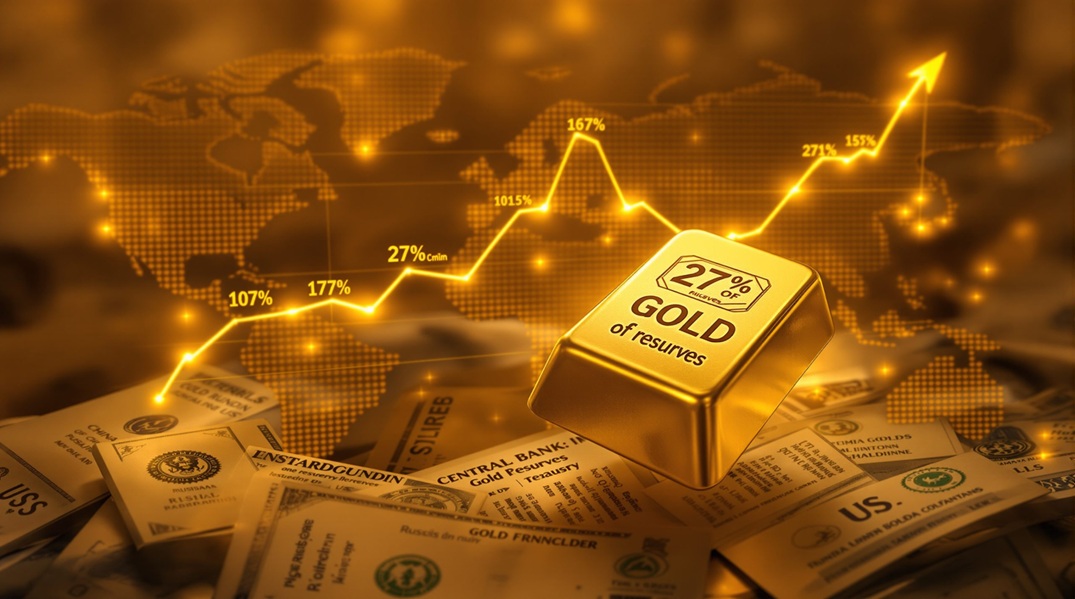
Gold prices have surged above $5,000 per ounce for a second consecutive day, continuing a dramatic rally fueled by a combination of geopolitical uncertainty, currency volatility, and investor flight from sovereign bonds. The precious metal jumped as much as 1.8% on Tuesday, marking its seventh straight day of gains.
The rally reflects a broad “debasement trade,” where investors shift out of traditional assets like the US dollar and Treasuries into tangible stores of value. With the US dollar showing weakness due to trade tensions and speculation over possible interventions to support the Japanese yen, bullion has become increasingly attractive as a hedge against currency devaluation.
Silver, often considered a sister asset to gold, also soared, climbing more than 9%, reflecting strong speculative and physical demand in a market characterized by thin liquidity and heightened volatility.
Geopolitical Risks Drive Precious Metal Demand
Gold’s ascent is closely linked to rising geopolitical uncertainty. Recent actions by the Trump administration—including threats to impose tariffs on South Korea, potential military interventions, and pressure on the Federal Reserve—have amplified risk aversion among investors.
Market observers note that such developments contribute to a broader narrative of US isolationism, pushing investors to reduce dollar-denominated holdings. This shift has increased demand for gold, historically seen as a safe-haven asset during periods of economic or political instability.
Vincent Mortier, Chief Investment Officer at Europe’s largest asset manager Amundi SA, emphasized gold’s long-term role as protection against debasement and a store of purchasing power. “Gold in the long term is a very good protection against debasement and a good way to maintain some purchasing power,” Mortier told Bloomberg Television.
The Role of Speculation in the Gold Market
Speculators are playing a significant role in sustaining gold’s rally. Options markets and futures positioning data indicate that traders are buying on dips rather than fading rallies, signaling strong bullish sentiment. Implied volatility in Comex gold futures has reached levels not seen since the height of the Covid-19 pandemic in March 2020.
Similarly, volatility in the SPDR Gold Shares ETF, the world’s largest bullion-backed exchange-traded fund, has surged. Analysts suggest that this trend reflects a market where investors are willing to endure short-term dislocations for exposure to precious metals.
Fawad Razaqzada, analyst at City Index Ltd., highlighted this dynamic: “As long as that mindset persists, it is difficult to argue against higher prices in the near term, even if there is a short-term disconnect between fundamentals and reality.”
Silver and Other Precious Metals See Historic Moves
Silver has been a standout performer alongside gold. It surged toward its previous all-time high of $117.71 per ounce, advancing 8% to $112.03. This represents a remarkable 57% gain since the start of the year, driven by a combination of industrial demand, investor speculation, and limited market liquidity.
James Emmett, CEO of refiner and trader MKS PAMP SA, noted that the current surge in silver demand is unprecedented. “There’s immense silver demand, in a way that we’ve really not seen before. It’s not a market that traditionally has that level of speculation, and you are definitely seeing more price action driven by short-term players,” Emmett told Bloomberg.
Platinum and palladium also gained, rising 5.3% and 2.9%, respectively, as investors continued seeking protection in physical assets amid global uncertainty.
Impact of US Dollar Weakness on Precious Metals
The Bloomberg Dollar Spot Index, which measures the US dollar against a basket of major currencies, fell 0.4% on Monday before edging up slightly by 0.1% on Tuesday. Dollar weakness has historically bolstered demand for gold and silver, making them more affordable for buyers using other currencies.
The potential for US intervention in foreign currency markets, along with ongoing trade threats and political tensions, has heightened expectations of continued dollar volatility. This environment has encouraged investors to increase exposure to precious metals as a hedge against currency debasement.
Monetary Policy and Gold Outlook
Investors are also closely watching the US Federal Reserve. President Trump has signaled that he has finished interviewing candidates for the next Fed chair, raising speculation about a more dovish appointee who could favor further interest rate cuts.
Lower interest rates typically support gold, which does not yield interest or dividends, by reducing the opportunity cost of holding bullion. While the Fed is widely expected to pause its rate-cutting cycle in the near term, a more accommodative monetary stance later in the year could sustain the current rally in gold and silver.
Historical Context and Long-Term Implications
Gold’s rally is particularly striking considering the metal has more than doubled over the past two years. Its strong performance highlights its traditional role as a gauge of fear in financial markets, offering a safe haven when geopolitical and monetary risks rise.
For investors, gold serves not only as a hedge against inflation and currency depreciation but also as a strategic store of wealth during periods of uncertainty. The current combination of geopolitical tensions, speculative positioning, and monetary policy dynamics suggests that gold and silver could remain highly sought-after assets in the months ahead.
Conclusion: Precious Metals Remain in Focus
Gold’s continued ascent above $5,000 per ounce, along with historic gains in silver, platinum, and palladium, reflects a convergence of market forces: geopolitical risk, US dollar weakness, monetary policy speculation, and speculative positioning.
Investors are increasingly treating precious metals as a key defensive allocation in portfolios. With volatility expected to remain elevated, gold and silver are likely to continue attracting attention from both short-term traders and long-term holders seeking protection against currency debasement and global uncertainty.
As central banks navigate interest rates and geopolitical developments unfold, the precious metals market is poised for sustained activity, providing opportunities and risk in equal measure for investors worldwide.
About The Author