Volkswagen Issues Major Recall for ID.4 Electric Vehicles
German automaker Volkswagen has announced two recalls affecting a total of 44,551 ID.4 electric vehicles in the United States, citing potential battery-related fire risks. The National Highway Traffic Safety Administration (NHTSA) confirmed the recalls on Tuesday.
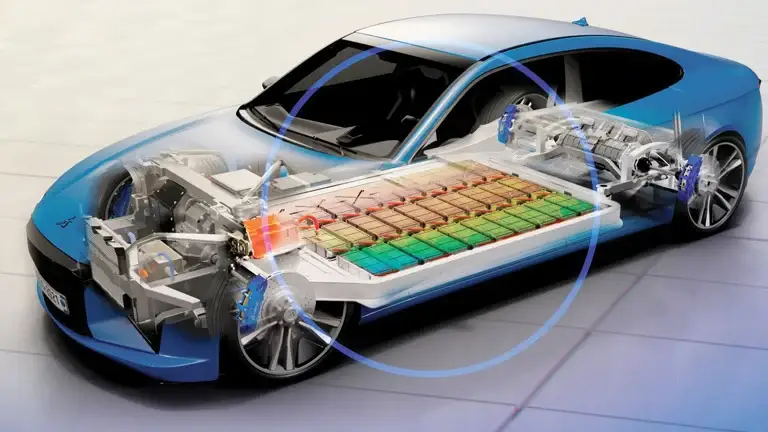
The largest recall involves 43,881 vehicles from model years 2023 to 2025. According to NHTSA, the high-voltage battery in these vehicles may overheat, creating a risk of fire. Volkswagen dealers will address the issue by updating the battery software and replacing the battery pack if necessary, at no cost to owners.
Smaller Recall Linked to Misaligned Electrodes
In a separate recall, Volkswagen is targeting 670 ID.4 vehicles from model years 2023 to 2024. The issue involves misaligned electrodes in certain high-voltage battery cell modules, which could also trigger a fire hazard.
Owners of affected vehicles are advised to bring their cars to authorized Volkswagen dealerships for inspection and repair. NHTSA emphasized that both recalls are precautionary, and no injuries have been reported related to the battery defects.
Volkswagen’s Safety Response
Volkswagen has stated its commitment to customer safety and rapid resolution of the battery issues. By offering free software updates and battery replacements, the automaker aims to mitigate potential risks and maintain consumer confidence in its ID.4 electric vehicle lineup.
The ID.4 is Volkswagen’s flagship electric SUV, and these recalls mark one of the largest safety-related actions for the model in the U.S. market. Industry analysts note that EV battery recalls are becoming increasingly common as manufacturers address the complex thermal management challenges associated with high-voltage lithium-ion cells.
Implications for Electric Vehicle Owners
For current ID.4 owners, the recall underscores the importance of staying informed about potential vehicle hazards. Owners should promptly schedule service appointments to receive software updates or battery replacements to prevent overheating or fire risks.
The recalls also highlight broader safety considerations for electric vehicles, particularly as EV adoption rises. Regulatory agencies like NHTSA continue to monitor battery performance closely to ensure that automakers meet safety standards in an evolving electric mobility market.
Conclusion
Volkswagen’s dual recall of over 44,000 ID.4 vehicles in the U.S. reflects the challenges of managing battery safety in modern electric vehicles. With software updates and battery replacements provided free of charge, the company aims to prevent fire hazards and maintain trust in its EV lineup.
As electric vehicles become more prevalent, consumers and regulators alike are keeping a close watch on battery reliability, thermal management, and overall safety standards.
About The Author