The Balance Between Politics and Monetary Policy
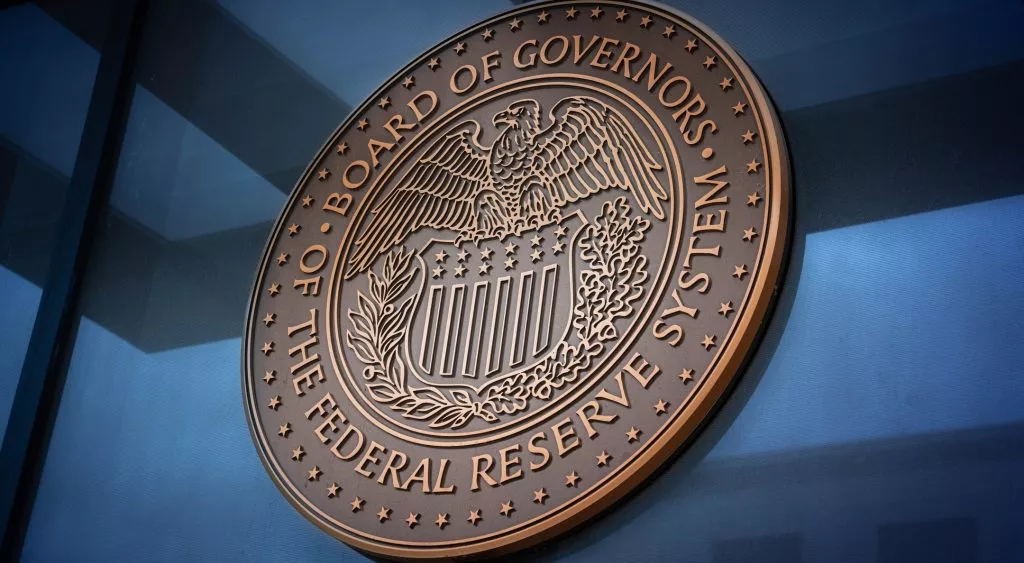
The Federal Reserve (Fed) is widely regarded as one of the most independent central banks in the world. Its mandate to maintain stable prices, promote maximum employment, and moderate long-term interest rates depends on insulating monetary policy from political influence. Yet, recent events have reignited public debate about the limits of presidential influence over the Fed, highlighting a delicate balance between elected leadership and economic governance.
Following a series of rate cuts in late 2024, the Fed continued easing monetary policy through three additional reductions in 2025, implemented after its September, October, and December meetings. These decisions came amid economic uncertainties, including tariffs and geopolitical risks, prompting caution among Fed officials. Despite this independence, President Trump openly criticized these policy choices, intensifying discussions about the president’s role in shaping interest rates.
How the Fed Controls Interest Rates
The Role of the Federal Open Market Committee
The Federal Reserve does not directly set the interest rates that consumers pay or earn. Instead, it influences rates through the federal funds rate, the short-term borrowing cost between depository institutions. The Federal Open Market Committee (FOMC) manages this rate by adjusting the money supply and setting the target rate, indirectly influencing lending and borrowing costs throughout the economy.
When the FOMC raises its target rate, borrowing becomes more expensive for consumers and businesses. Conversely, a reduction in the federal funds rate lowers borrowing costs while typically reducing returns on savings accounts, certificates of deposit (CDs), and other fixed-income instruments. The Fed’s careful balancing act aims to maintain economic stability while controlling inflation and supporting growth.
Presidential Powers Over the Fed
Appointing and Confirming Leadership
While the president cannot directly set interest rates, the office does hold some formal authority over Fed leadership. The president nominates the chair and vice chair of the Board of Governors, who must then be confirmed by the Senate. Chairs and vice chairs serve four-year terms and may be reappointed by a sitting president. In theory, the president can remove a chair or governor, though this action is extremely rare and has never occurred under normal circumstances.
Nominating Board Governors
The president also nominates the seven members of the Fed’s Board of Governors, each serving up to 14-year terms. These members oversee the 12 regional Reserve Banks and participate in FOMC decisions. Governors can only be removed “for cause,” meaning serious misconduct or incapacity, not policy disagreements. Attempts to remove a governor without legitimate cause, as in the case of the Trump administration’s claim regarding Federal Reserve Governor Lisa Cook, have raised questions about legality and precedent.
Indirect Influence: Public Statements and Market Pressure
Expressing Policy Preferences
Presidents may publicly voice their opinions on Fed policy and encourage specific actions, but these statements do not legally bind the Fed. For instance, President Trump repeatedly criticized Chair Powell for holding interest rates steady, urging immediate cuts and at times using social media to describe him in derogatory terms. While the Fed maintains independence, such commentary can influence market expectations and investor behavior.
Potential Market Effects
Public criticism or political pressure on the Fed can create volatility in financial markets. Investors may interpret presidential statements as signals about future policy changes, affecting currency values, stock prices, and the demand for safe-haven assets such as gold. Monetary policy decisions remain technically independent, but market psychology can be sensitive to perceived threats to that independence.
Recent Events Highlighting Fed Independence
Subpoenas and Investigations
In January 2026, Fed Chair Jerome Powell revealed that federal prosecutors had opened a criminal investigation related to his testimony on Fed headquarters renovations. Powell emphasized that the investigation should be viewed in the broader context of ongoing political pressure, asserting that Fed officials set rates based on economic considerations rather than presidential preferences.
Controversial Attempts at Dismissal
In August 2025, President Trump claimed to remove Governor Lisa Cook from the Board, alleging misconduct. Legal experts and Cook’s attorney argued the president lacked legitimate cause, setting the stage for potential litigation. This episode underscored the legal constraints on presidential authority over Fed officials and reinforced the institution’s independence.
Practical Implications for Consumers and Savers
Strategies to Protect Your Savings
Interest rate fluctuations driven by Fed policy can have real effects on individual savings and borrowing. While consumers cannot control federal rates, they can take steps to maximize returns and mitigate risks:
- High-Yield Savings Accounts – These accounts offer higher returns than traditional savings accounts, helping savers benefit from market fluctuations.
- Compounding Early – Starting to save early leverages compound interest, which can accelerate growth even if rates fluctuate.
- Shop for Competitive Rates – Regularly comparing savings products ensures you are taking advantage of the best available interest rates.
- Certificates of Deposit (CDs) – Locking in rates through a CD can protect against potential declines in interest rates, though early withdrawals may incur penalties.
Understanding Broader Economic Policy
Even when the Fed operates independently, presidential policies can affect broader economic conditions. Tax policy, trade measures, regulatory changes, and initiatives to address inflation indirectly influence borrowing costs, investment returns, and consumer prices. Savvy investors consider both Fed actions and fiscal policy when planning savings and investment strategies.
Conclusion: Independence With Constraints
The Federal Reserve’s design ensures it functions largely independently of political influence, a safeguard essential for maintaining long-term economic stability. While the president holds the power to nominate leaders and publicly express opinions on monetary policy, these actions have limited legal authority to directly alter interest rates.
Nonetheless, public statements, legal challenges, and political pressure can indirectly affect market expectations, emphasizing the complex interplay between governance, monetary policy, and investor behavior. For consumers and investors, understanding this dynamic is crucial for making informed decisions, optimizing savings, and navigating a financial landscape shaped by both policy and perception.
By focusing on prudent financial planning, leveraging high-yield accounts, and monitoring broader economic trends, individuals can effectively respond to interest rate changes while staying insulated from political turbulence.
About The Author