The Arctic’s Untapped Energy Potential
For decades, energy companies have viewed the Arctic as one of the last major frontiers for large-scale oil and gas discoveries. Research by U.S. government agencies estimates that regions above the Arctic Circle may contain tens of billions of barrels of oil and vast quantities of natural gas. If fully developed, these reserves could significantly alter global energy supply dynamics.
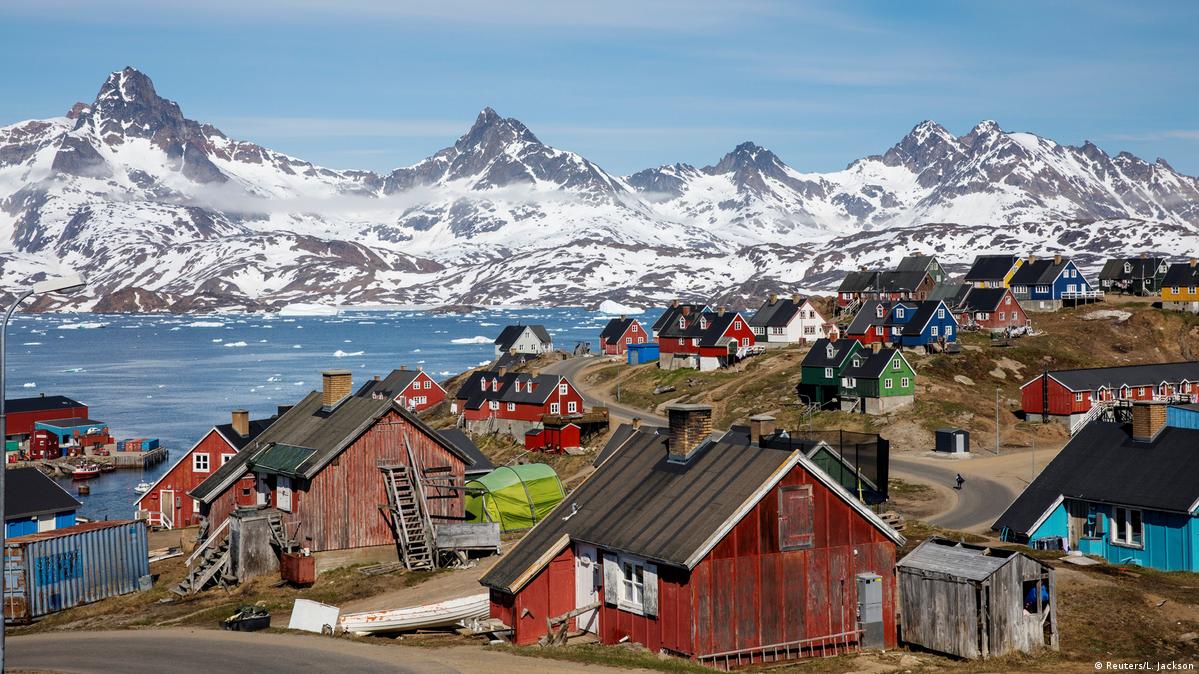
At the center of this potential sits Greenland. Shielded by extreme weather, ice-choked seas, and rugged terrain, the world’s largest island has long resisted industrial development. Yet beneath its surface lies a resource base that could rival some of the most transformative oil discoveries in modern history.
Jameson Land and the High-Risk Oil Gamble
A privately backed exploration firm, soon to be publicly listed as Greenland Energy Company, is betting heavily on Jameson Land, a remote peninsula on Greenland’s eastern coast. The company plans to invest hundreds of millions of dollars to drill exploratory wells beginning in 2026, navigating some of the most challenging operating conditions on Earth.
If successful, the project could unlock billions of barrels of commercially recoverable oil. Such an outcome would have sweeping implications, including strengthening U.S. and European energy security and reducing reliance on sanctioned suppliers. However, Arctic exploration remains a high-risk endeavor, plagued by logistical hurdles, unpredictable weather, and massive upfront costs.
Geopolitics Reshape Greenland’s Strategic Importance
Greenland’s energy prospects are unfolding alongside rising geopolitical tensions. The Arctic has become a theater of strategic competition, with increased military and shipping activity from Russia and China prompting renewed focus from Washington and its allies.
Recent statements from U.S. leadership have underscored Greenland’s perceived importance to national security, igniting diplomatic friction with Denmark and Greenland’s autonomous government. As climate change opens new Arctic shipping routes, Greenland’s location positions it as a critical node for both energy logistics and military strategy.
Economic Independence Versus Environmental Risk
For Greenland’s population of fewer than 60,000 people, resource development represents a possible path toward greater economic self-sufficiency. The island currently relies heavily on financial support from Denmark, and large-scale oil or mineral production could fundamentally reshape its fiscal future.
At the same time, environmental concerns remain central to public debate. Greenland imposed a moratorium on new oil and gas licenses in 2021, citing ecological preservation and sustainability. Existing licenses, however, remain valid, allowing select projects to proceed under strict regulatory oversight.
Frontier Exploration in a Changing Energy Market
The timing of Greenland’s renewed oil ambitions is complicated by global market conditions. Oil markets face potential oversupply, and major producers have shifted away from costly frontier exploration in favor of lower-risk investments. As a result, Greenland’s development has been left largely to smaller, more risk-tolerant players.
History shows that such gambles can either fail spectacularly or redefine global energy markets. Discoveries like Alaska’s Prudhoe Bay and Guyana’s offshore fields began as long-shot bets before becoming industry cornerstones. Greenland’s future now hinges on whether Jameson Land can follow a similar trajectory.
A Defining Test for Energy and Sovereignty
Greenland stands at a crossroads where energy security, environmental stewardship, and geopolitical rivalry intersect. The outcome of current exploration efforts will not only determine the island’s economic direction but may also influence Arctic power balances for decades to come.
As drilling plans advance and international interest intensifies, Greenland is no longer a peripheral Arctic outpost—it is rapidly becoming a focal point of global strategic importance.
About The Author