A rapidly intensifying global shortage of memory chips is putting unprecedented pressure on artificial intelligence developers, smartphone manufacturers, and consumer-electronics companies, as soaring demand collides with increasingly scarce supply. The crunch is pushing prices sharply higher and threatening to stall long-anticipated gains from AI-driven productivity and digital infrastructure expansion.
Retailers in Japan have begun limiting the number of hard-disk drives customers can buy, while Chinese smartphone makers warn that device prices will soon climb due to skyrocketing memory costs. At the same time, major technology companies—Microsoft, Google and ByteDance among them—are racing to secure limited memory inventories from industry giants like Micron, Samsung and SK Hynix, according to multiple individuals familiar with the situation.
The shortage spans virtually every category of memory, from standard flash storage used in everyday devices to high-bandwidth memory (HBM), the advanced chips powering AI accelerators inside hyperscale data centers. TrendForce reports that prices in several memory segments have more than doubled since February, attracting investors who believe the rally will continue.
Industry leaders fear the consequences will stretch well beyond the tech sector. Economists warn that a prolonged supply shock could delay hundreds of billions of dollars in AI-related investments, slow innovation, and even contribute to renewed inflation at a time when global markets are trying to stabilize.
“The memory shortage has grown from a supply issue into a broader macroeconomic concern,” said Sanchit Vir Gogia, CEO of Greyhound Research. He described the AI boom as colliding with physical manufacturing limits that the semiconductor supply chain cannot easily overcome.
Interviews with nearly 40 executives, suppliers, and analysts show that top chipmakers’ aggressive shift toward producing high-margin AI components—especially Nvidia-driven HBM—has come at the expense of traditional memory types still needed for PCs, smartphones, and conventional data centers. This imbalance is now forcing manufacturers to reassess their strategies.
Supplier inventories of DRAM, the most common memory used in laptops and phones, dropped in October to just two to four weeks of supply, down sharply from three to eight weeks in July and several months of stock in late 2024.
Some executives believe the shortage will stretch deep into the decade. SK Hynix expects the supply tightness to last until late 2027, according to a recent Citi analysis. Chey Tae-won, chairman of SK Group, said the company is inundated with supply requests from businesses struggling to keep operations moving.
The AI hardware race is accelerating the strain. OpenAI recently locked in initial agreements with Samsung and SK Hynix for an enormous chip supply to support its Stargate initiative—estimated to require nearly 900,000 wafers per month by 2029, roughly double today’s total global HBM production.
Chipmakers and cloud giants alike continue to intensify their procurement efforts. Google, Amazon, Microsoft, and Meta have reportedly placed open-ended memory orders with Micron, signaling they will purchase as much supply as becomes available, regardless of cost. Chinese tech firms including Alibaba, Tencent, and ByteDance have also sent executives to South Korea in recent months in hopes of securing preferential allocation.
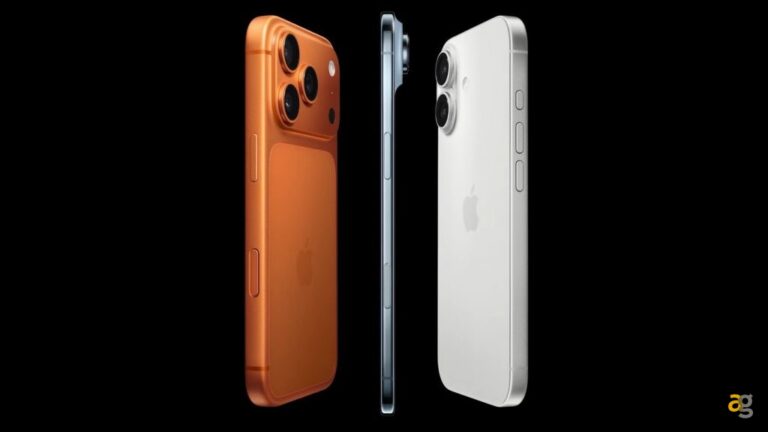
On the consumer side, smartphone manufacturers are bracing for impact. Xiaomi and Realme say memory price shocks are unlike anything seen in the smartphone era, with Realme expecting potential 20–30% increases in handset prices by mid-year. Laptop makers such as ASUS have also warned of adjustments as inventories tighten.
The squeeze is even fueling a surge in secondhand markets. In Tokyo’s Akihabara electronics district, some stores are restricting memory purchases and reporting significant price spikes—up to threefold for popular DDR5 products. Traders in China say prices now fluctuate hourly, a dramatic shift from the more stable monthly environment before the crisis.
Meanwhile, U.S. resellers like Caramon report booming sales of recycled memory chips salvaged from retired servers, driven almost entirely by resellers in Hong Kong supplying Chinese buyers.
As memory producers struggle to expand conventional chip capacity before 2027–2028, analysts warn that only the most well-funded tech giants may be able to weather the rising costs. With demand still accelerating and supply unable to keep pace, the global memory market is entering one of its most volatile periods in decades.
About The Author