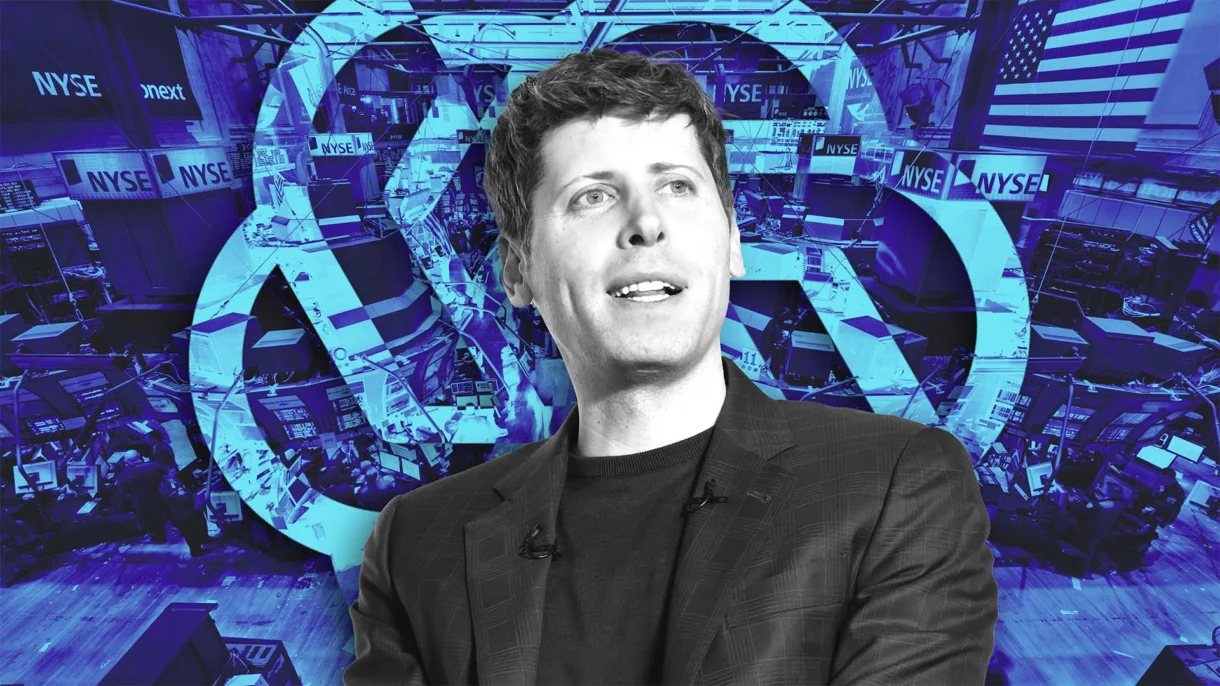
As competition in the artificial intelligence sector intensifies faster than ever before, OpenAI CEO Sam Altman has reportedly raised the stakes by declaring a company-wide “code red.” This urgent internal push centers on accelerating the development and performance of ChatGPT, OpenAI’s flagship AI model that launched the current generative AI revolution.
The move signals not only heightened competitive pressure, but also a shift in OpenAI’s strategic priorities as rivals like Google and Anthropic make major advances—and threaten to reshape the balance of power in the AI ecosystem.
Why OpenAI Declared a “Code Red”
According to The Information, Altman sent a memo instructing teams to immediately focus on boosting ChatGPT’s quality, reliability, and capabilities. This strategic redirection will slow or pause other high-profile OpenAI initiatives, most notably the development of autonomous AI agents.
The timing of this decision is no coincidence. In just months, two of OpenAI’s biggest competitors have launched models that challenge ChatGPT’s dominance across critical benchmarks.
Google’s Gemini 3: A Direct Shot at ChatGPT
In November, Google introduced Gemini 3, a major upgrade to its generative AI platform. The release triggered widespread industry excitement—and for good reason. Gemini 3 scored higher than ChatGPT across multiple standardized tests measuring reasoning, speed, accuracy, and multimodal performance.
The market responded immediately:
- Google’s stock surged to new highs
- Analysts began questioning OpenAI’s long-term edge
- Influential tech leaders publicly voiced their support
One of the loudest endorsements came from Salesforce CEO Mark Benioff, who said he was officially switching from ChatGPT to Gemini 3. Although Sam Altman congratulated Google on social media, internal communications reportedly expressed a more urgent message: Gemini 3 could present real economic and competitive risks for OpenAI.
Anthropic’s Claude Opus 4.5: A Second Threat Emerges
If Google weren’t enough pressure, OpenAI is also facing a rapidly rising competitor in Anthropic. The company released Claude Opus 4.5 on November 24, positioning it as a highly capable model designed to rival both OpenAI and Google offerings.
Anthropic, founded by former OpenAI researchers, has built a reputation for creating systems that prioritize safety, reasoning, and reliability—qualities developers and enterprises increasingly seek.
With both major rivals executing strong model launches in the same season, OpenAI finds itself navigating one of the most competitive periods since the debut of ChatGPT in 2022.
OpenAI’s Multi-Trillion-Dollar Bet on AI Infrastructure
Despite the mounting pressure, OpenAI remains committed to aggressive expansion. The company aims to grow its revenue from $13 billion in 2025 to an astonishing $200 billion by 2030—numbers that reflect its ambition to retain leadership in the generative AI market.
To support this trajectory, OpenAI has pledged $1.4 trillion over the next eight years to develop next-generation AI data centers and computing infrastructure.
Its massive network of partnerships includes:
- CoreWeave (cloud computing)
- Oracle (cloud infrastructure)
- Nvidia, AMD, Broadcom (advanced AI chips)
These deals aim to secure the unprecedented computing power required to train and deploy future AI systems—often called “GPT-6 scale and beyond.”
However, some analysts have raised concerns about OpenAI’s circular financial arrangements, which involve paying vast sums to the same companies that also rely on OpenAI for AI integration. This has prompted debates about whether the tech industry could be entering an AI investment bubble.
GPT-5: Strong Expectations, Mixed Reactions
OpenAI’s latest model, GPT-5, launched in August with a blend of praise and criticism. While the model demonstrated improvements in logic, creativity, and multimodal understanding, many users expected a more dramatic leap from GPT-4.
The lukewarm response added further urgency for OpenAI to refine its models—fueling Altman’s decision to declare a company-wide “code red.”
What the “Code Red” Means for the Future of ChatGPT
OpenAI’s renewed focus on ChatGPT signals several important developments:
1. More frequent model updates
Expect faster rollouts, improvements in reasoning, better customization, and new capabilities arriving at a quicker pace.
2. Delays in AI agents and long-term features
OpenAI may temporarily prioritize core model performance over futuristic technologies such as autonomous multi-step agents.
3. A more aggressive competitive stance
OpenAI is no longer simply leading the industry—it’s fighting to keep its position amid serious rivals.
4. Even larger infrastructure scaling
With new models demanding unprecedented computational power, OpenAI’s partnerships and data center expansion will remain central to its strategy.
The Bottom Line: The AI Race Has Entered Its Most Intense Phase Yet
Sam Altman’s “code red” declaration is more than a memo—it’s a defining moment in the global AI race.
With Google’s Gemini 3 and Anthropic’s Claude Opus 4.5 gaining momentum, OpenAI is mobilizing its workforce to ensure ChatGPT remains the world’s most powerful and widely used AI system.
As the competition accelerates, one thing is clear: the next 12 months will shape the future of generative AI—and determine which company ultimately leads the most transformative technology shift of our lifetime.
About The Author