A rare public protest has emerged in Russia following the government’s decision to block the popular U.S.-based gaming platform Roblox, underscoring mounting frustration over online censorship and digital restrictions.
On Sunday, several dozen demonstrators gathered in the Siberian city of Tomsk, defying cold weather to voice opposition to the ban. The protest marked an unusual act of public dissent in a country where demonstrations have become increasingly uncommon since the start of the war in Ukraine.
Russia’s communications regulator, Roskomnadzor, announced on December 3 that it had blocked Roblox, citing concerns that the platform contains inappropriate content capable of harming the “spiritual and moral development of children.” Roblox, widely used by young gamers worldwide, allows users to create and interact in virtual worlds.
Protesters in Tomsk held handwritten signs reading messages such as “Hands Off Roblox” and “Roblox Is a Victim of the Digital Iron Curtain.” Photos shared by organizers showed roughly 25 people standing in a snowy park nearly 3,000 kilometers east of Moscow. Other placards criticized the state’s reliance on bans and restrictions as its primary response to online challenges.
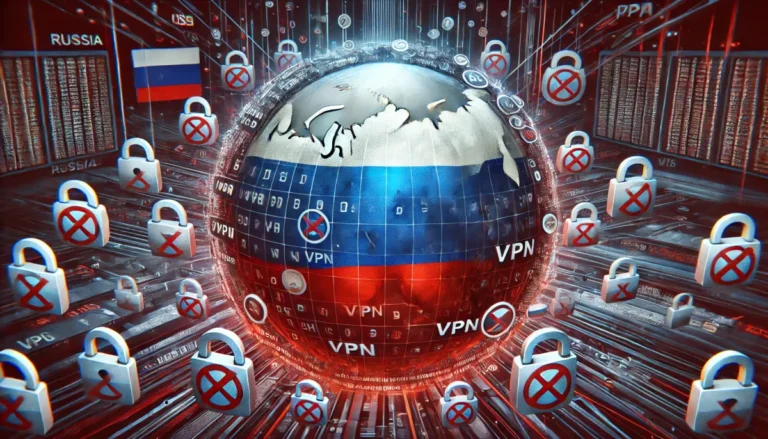
The ban has sparked broader debate inside Russia about the effectiveness of digital censorship in an era when restrictions can often be bypassed in minutes using virtual private networks (VPNs). Many Russians routinely use VPN services to access blocked platforms, including social media sites such as Instagram, Facebook, YouTube, and WhatsApp.
The Roblox decision has also reopened discussions around child safety, online moderation, and the lack of domestic alternatives to foreign technology platforms. Some parents and educators in Russia have expressed concern that Roblox enables children to encounter explicit material or communicate with adults. Similar concerns have led to Roblox being restricted or banned in other countries, including Iraq and Turkey.
Roblox, which is headquartered in California, said previously that it maintains strong safety standards and incorporates built-in protections designed to safeguard younger users. The company did not immediately comment following the protest in Tomsk.
Russian authorities continue to argue that strict content controls are necessary to defend the country against what they describe as an ongoing Western-led “information war” and cultural influence that conflicts with traditional values. Critics, however, say the Roblox ban illustrates growing tension between state control and everyday digital life, particularly for younger generations accustomed to open online platforms.
As public irritation builds, the protest in Tomsk—small but symbolic—signals that technology bans may increasingly test public patience in a highly connected society.
About The Author