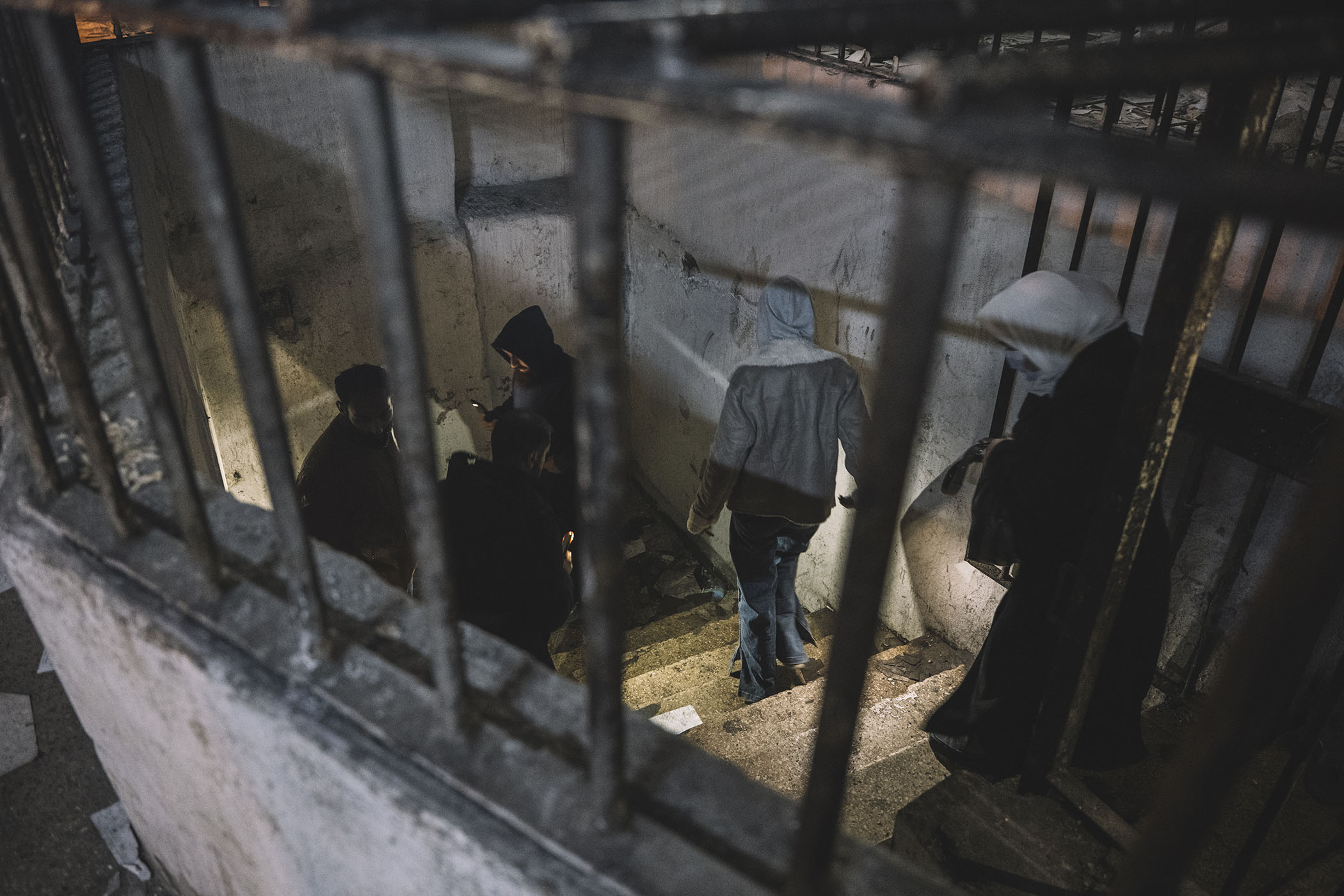
When Bashar al-Assad’s regime collapsed, Syrians celebrated the opening of detention centers that had symbolized decades of fear, torture, and enforced disappearance. The new leadership vowed to shut down the notorious prisons and end arbitrary detention. One year later, those promises are under growing strain.
Across Syria, prisons and informal lockups once used by Assad’s security apparatus are operating again. Hundreds of detainees from different religious and ethnic communities are being held without charge, while reports of beatings, extortion, and deaths in custody have resurfaced. The return of these practices highlights the fragile and incomplete nature of Syria’s post-Assad transition.
New Waves of Detention
The first arrests began almost immediately after Assad’s fall. Rebel forces detained thousands of former regime soldiers, including conscripts who had been forced into service. Many were held without clarity about their legal status or location.
Soon after, a second wave of arrests targeted members of the Alawite community, particularly following violent unrest along Syria’s Mediterranean coast. Security operations intensified after clashes that killed dozens of government forces and nearly 1,500 civilians. Detentions of Alawites have continued since then.
By summer, mass arrests spread to southern Syria, affecting members of the Druze minority after sectarian violence left hundreds dead. Meanwhile, Syrians from all backgrounds — Sunnis, Christians, Shi’ites, activists, and former civil servants — were detained under vague security accusations, often with no formal charges.
Assad-Era Facilities Reopen
Despite official pledges to close former regime prisons, at least two dozen detention facilities previously run by Assad’s intelligence services are again in use. These include major prisons, intelligence compounds, checkpoint lockups, and police stations.
Former detainees and families describe a system with little transparency. Public records of arrests are rare. Many families report losing contact with relatives for months, uncertain whether they are alive or dead. Access to lawyers varies widely, and judicial oversight remains minimal.
Some detainees are held in facilities once operated by rebel groups themselves, including prisons in northern Syria. There, new detainees are housed alongside prisoners held during the civil war, creating overcrowded and deteriorating conditions.
Conditions and Abuse Behind Bars
Accounts from detainees and families point to grim conditions. Cells are often packed far beyond capacity, forcing inmates to sleep sitting or on their sides. Food is scarce, hygiene supplies are limited, and skin diseases are common.
More troubling are reports that abuse once associated with Assad’s rule has returned. Former prisoners describe beatings, stress positions, suspension by limbs, and intimidation during interrogations. Several families say their relatives were tortured or killed in custody, sometimes without any official record of their detention.
Human rights groups have documented multiple deaths in detention under the new government. In some cases, families learned of a death only after burial, with no explanation or access to autopsy reports.
Extortion and “Pay for Freedom”
Corruption remains deeply embedded in the detention system. Families across Syria report receiving demands for money in exchange for a detainee’s release or basic information. Payments range from a few hundred dollars to tens of thousands, depending on perceived wealth or former status.
Even when families manage to pay, release is not guaranteed. Several families report losing both their money and their relatives, with no further contact from those claiming to act as intermediaries or jailers.
Government Response and Accountability
Syrian authorities say many detentions are linked to crimes committed under the former regime or to ongoing security threats. Officials acknowledge institutional weaknesses and claim disciplinary action has been taken against dozens of security personnel for extortion or violence.
The government has also issued a new code of conduct for security forces, formally prohibiting torture and calling for respect for human rights. However, rights organizations argue that enforcement remains inconsistent and opaque.
International observers, including the United Nations, say they are unable to determine how many people are currently detained or disappeared. Fear of retaliation prevents many families from reporting cases.
A Shadow Over Syria’s Future
While today’s detention system does not match the industrial-scale brutality of Assad’s rule, its reemergence carries heavy symbolic weight. Syria’s new leadership rose to power promising justice, accountability, and a clean break from decades of authoritarianism.
Instead, the revival of arbitrary detention, abuse, and secrecy has shaken public confidence and fueled sectarian tensions. For many Syrians, the question is no longer whether Assad’s prisons were emptied — but whether they were truly dismantled.
As Syria seeks international support, economic recovery, and long-term stability, the treatment of detainees has become a defining test. Ending impunity, ensuring due process, and closing the door on past practices may determine whether the country’s political transition can succeed — or repeat the cycles it promised to escape.
About The Author