From their refuge in Moscow, two of the most influential members of Bashar al-Assad’s former inner circle—ex-military intelligence chief Kamal Hassan and billionaire cousin Rami Makhlouf—are spending millions to build rival armed networks aimed at igniting a fresh revolt along Syria’s Mediterranean coast. Their secretive efforts, according to a months-long Reuters investigation, include a competition for control over 14 underground command centers stocked with weapons and communication equipment, constructed during the final phase of Assad’s regime.
At the same time, Syria’s new leadership has quietly dispatched another former Assad ally, a childhood friend of President Ahmed al-Sharaa, to counter these exiled powerbrokers and prevent new unrest among the country’s Alawite minority.
A New Power Struggle After Assad’s Fall
Although Bashar al-Assad himself has largely accepted life in exile following his ouster, the same cannot be said for some of his closest former associates. Hassan and Makhlouf—both longtime pillars of the old regime—are now competing to assemble loyal militias across coastal Syria and parts of Lebanon. Their networks target the Alawite community, the sect that dominated the state under the Assad dynasty and remains heavily concentrated in the coastal provinces.
Together with other factions, they are believed to be bankrolling more than 50,000 potential fighters in an attempt to reclaim influence and possibly shape a future leadership.
Maher al-Assad, Bashar’s powerful brother and longtime commander of the elite 4th Armored Division, also remains in Moscow. Despite overseeing thousands of former loyalists, he has not yet aligned himself with either faction.
Among the key prizes in this silent race: control of a network of fortified underground facilities built before Assad’s fall—strategic vaults containing weapons, communication gear, and resources that could support a large paramilitary campaign.
“This struggle is simply the continuation of the Assad-era battle for influence,” said researcher Annsar Shahhoud. “But the stakes have shifted from serving Assad to replacing him.”
Makhlouf’s Messianic Ambitions vs. Hassan’s Security Machine
Once the financial engine of Assad’s regime, Makhlouf now lives under heavy security in a luxury Moscow hotel. After years of house arrest and eventual escape to Russia, he has reinvented himself as a quasi-religious leader promising to “save” the Alawites through a divine mission tied to apocalyptic prophecy.
His network claims more than 54,000 fighters—though many on the ground say the payrolls are inflated and salaries rarely exceed $20–$30 per month.
Hassan, by contrast, leans on his deep roots within Syria’s military intelligence apparatus. Exiled in Russia after fleeing Damascus, he has spent over $1.5 million building a fighting force he describes as the true protector of Alawite identity. His messages to commanders promise dignity and revenge, while his operatives recruit fighters in Syria, Lebanon, and the UAE.
Both men have turned the Alawite community into a battleground for influence, offering cash to impoverished former soldiers and civilians. Many fighters double-dip, taking money from both camps with no loyalty to either.
Hidden Coastal Command Centers: The “Treasure Island”
A series of subterranean command rooms, stretching along 180 kilometers of Syria’s coast, has become the crown jewel for these exiled factions. Photos reviewed by Reuters show caches of AK-47 rifles, grenades, radios, laptops, and maps lying untouched inside these rooms—intended to support a rapid mobilization but left dormant after Assad’s collapse.
One commander monitoring the sites called the network “Treasure Island,” with both Makhlouf and Hassan racing to seize it first.
Syrian authorities acknowledge the network exists but insist it has been significantly weakened and poses little threat.
Coastal Tensions Rise
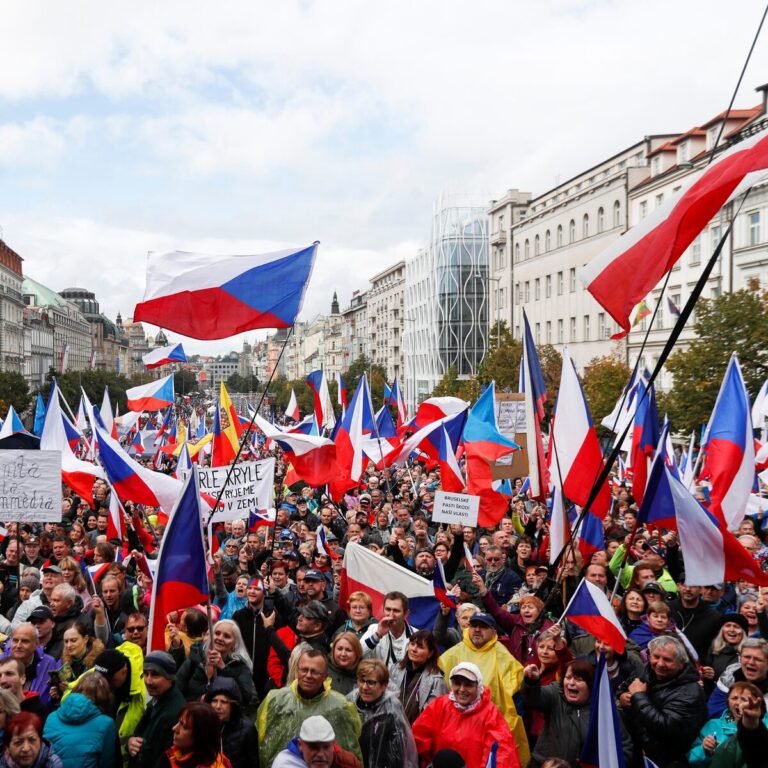
Although neither Hassan nor Makhlouf spearheaded recent protests, Alawite frustration with the new government erupted in late November when thousands demonstrated across Homs and coastal cities. Their demands ranged from increased autonomy to the release of detainees and kidnapped women.
Meanwhile, an earlier failed uprising in March left nearly 1,500 Alawites dead in reprisals after an independent Alawite unit attacked government forces in Latakia. The crackdown deepened sectarian wounds and provided fresh leverage for Hassan and Makhlouf to portray themselves as defenders of the community.
Russian Pressure and Waning Foreign Backing
Despite sheltering several exiled regime figures, Russia has withheld real support for Makhlouf and Hassan. Meetings between the plotters and Russian officials have become rare, especially after President Sharaa’s October visit to Moscow. Diplomats say the Kremlin is primarily focused on securing its military installations in Syria rather than enabling new power struggles.
Makhlouf’s financial resources are also reportedly shrinking, with October salaries delayed—an unusual sign for a man once known for limitless wealth.
Sharaa’s Counterweight: The Rise of Khaled al-Ahmad
To combat the exiles’ influence, the new Syrian government relies heavily on Khaled al-Ahmad—a former Assad confidant who defected during the war and helped Sharaa plan the final push to topple Assad in 2024. Now perhaps the most influential Alawite inside Syria, al-Ahmad is leading efforts to stabilize coastal regions, mediate with communities, and dismantle armed cells linked to Makhlouf and Hassan.
His operations have already resulted in dozens of arrests, including a cell accused of plotting targeted assassinations.
Waiting for the Right Moment
Despite the stockpiles of arms, the recruitment drives, and the millions spent, neither Makhlouf nor Hassan appears ready to launch a coordinated revolt. Fighters on the ground say they are preparing quietly—but most see no faction worth committing to.
For now, the underground bunkers remain silent, and Syria’s fragile new government braces for what could come next.
About The Author