U.S. President Donald Trump is expected to announce a fresh round of agreements designed to lower prescription drug prices, according to a statement from the White House. The announcement is scheduled for Friday afternoon at the White House and marks a continuation of the administration’s efforts to curb healthcare costs.
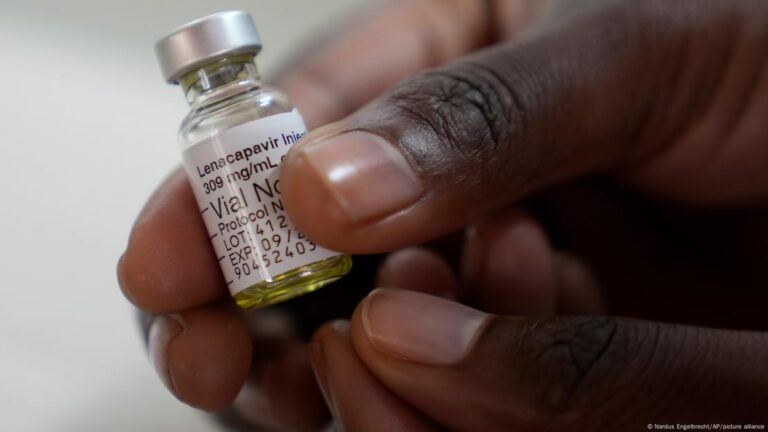
Several leading pharmaceutical companies are anticipated to participate in the new deals. Sources familiar with the matter say firms such as AbbVie, Bristol Myers Squibb, Gilead Sciences, and Merck are preparing to disclose price reductions on selected medications. European drugmakers Novartis and Roche are also expected to be involved, according to earlier media reports.
The initiative follows letters sent by Trump in July to executives at 17 major pharmaceutical companies. In those communications, the administration outlined expectations that drugmakers offer “most-favored-nation” pricing to the Medicaid program and ensure that new medicines are not introduced in the United States at prices higher than those in other developed economies.
To date, five companies have reached agreements with the administration, including Pfizer, Eli Lilly, AstraZeneca, Novo Nordisk, and EMD Serono, the U.S. arm of Germany’s Merck KGaA. The upcoming announcement is expected to expand that list and apply additional pressure on firms that have not yet finalized deals.
Not all companies have commented publicly. While AbbVie and Merck declined to respond, Novartis confirmed it remains in discussions with the administration and reiterated its commitment to lowering costs for American patients. Roche has similarly voiced support for reducing drug prices while emphasizing the need to maintain incentives for pharmaceutical innovation.
Trump has repeatedly highlighted the disparity between U.S. drug prices and those in other high-income countries, where government-run healthcare systems negotiate directly with manufacturers. Although initial concerns about stricter price controls unsettled investors earlier this year, analysts say the structure of the agreements announced so far has helped ease market fears.
Experts note that Medicaid accounts for roughly 10% of total U.S. prescription drug spending and already benefits from substantial rebates, sometimes exceeding 80%. Even so, companies such as Pfizer have acknowledged that the expanded discounts could pressure prices and margins in the coming years.
About The Author