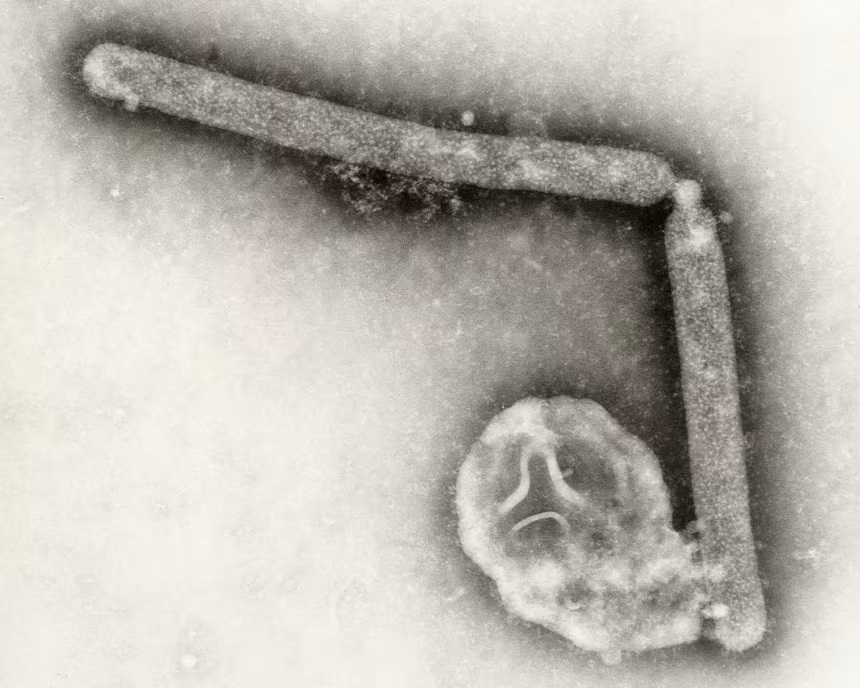
First Human Case of H5N5 Bird Flu in the U.S. in Nine Months
Washington State health officials have confirmed a human infection with H5N5 avian influenza, marking the first reported case in the U.S. in nine months. The patient, an older adult from Grays Harbor County with underlying health conditions, has been hospitalized since early November.
The CDC emphasizes that the risk to the general public remains low, though authorities are closely monitoring the situation.
How the Virus May Have Spread
Investigators believe the patient may have been exposed through backyard poultry, though the exact transmission route is still under review. H5N5 and other bird flu viruses typically spread through:
- Saliva, mucus, or feces from infected birds
- Contaminated surfaces, including bird feeders
- Milk from infected dairy animals
The risk of infection increases during late fall and winter, when migratory birds come into contact with domestic animals.
Human-to-Human Transmission Not Reported — Yet
There has been no known human-to-human transmission of H5N5 in the U.S. so far. Washington State public health officials are contacting anyone who may have been in close contact with the patient to offer testing and monitor for symptoms.
Dr. Richard Webby, an influenza expert, warns that the virus still has “pandemic potential”:
“It’s not an easy leap from duck virus to human virus, but we can’t rule it out. Only time will tell.”
U.S. Bird Flu Cases and Severity
Since the outbreak began in January 2022:
- 70 human cases of bird flu have been reported in the U.S.
- One death occurred in January among an elderly patient with underlying conditions
- Most infections have been mild, with symptoms like fever and red eyes
Workers with close animal contact are most at risk:
- 41 cases in cattle workers
- 24 cases in poultry workers
- Others had exposure to different animals or unknown sources
Safety Precautions for the Public
The CDC and Washington State Department of Health recommend strict precautions around birds and wildlife:
- Wear gloves when cleaning bird feeders or handling bird droppings.
- Disinfect surfaces with a bleach solution (1 part bleach to 10 parts water) or commercial disinfectants.
- Avoid sick or dead wildlife. Use a mask and gloves when disposing of birds, double-bag carcasses, and wash hands thoroughly.
- Avoid raw or unpasteurized foods, including milk and cheese.
- Get a seasonal flu shot, which helps prevent co-infection and reduces mutation risks.
Monitoring and Next Steps
Public health authorities continue to track the virus in birds and humans. While current human risk is low, vigilance and proper protective measures remain key to preventing further infections.
About The Author