An Irresistible Italian Seafood Pasta
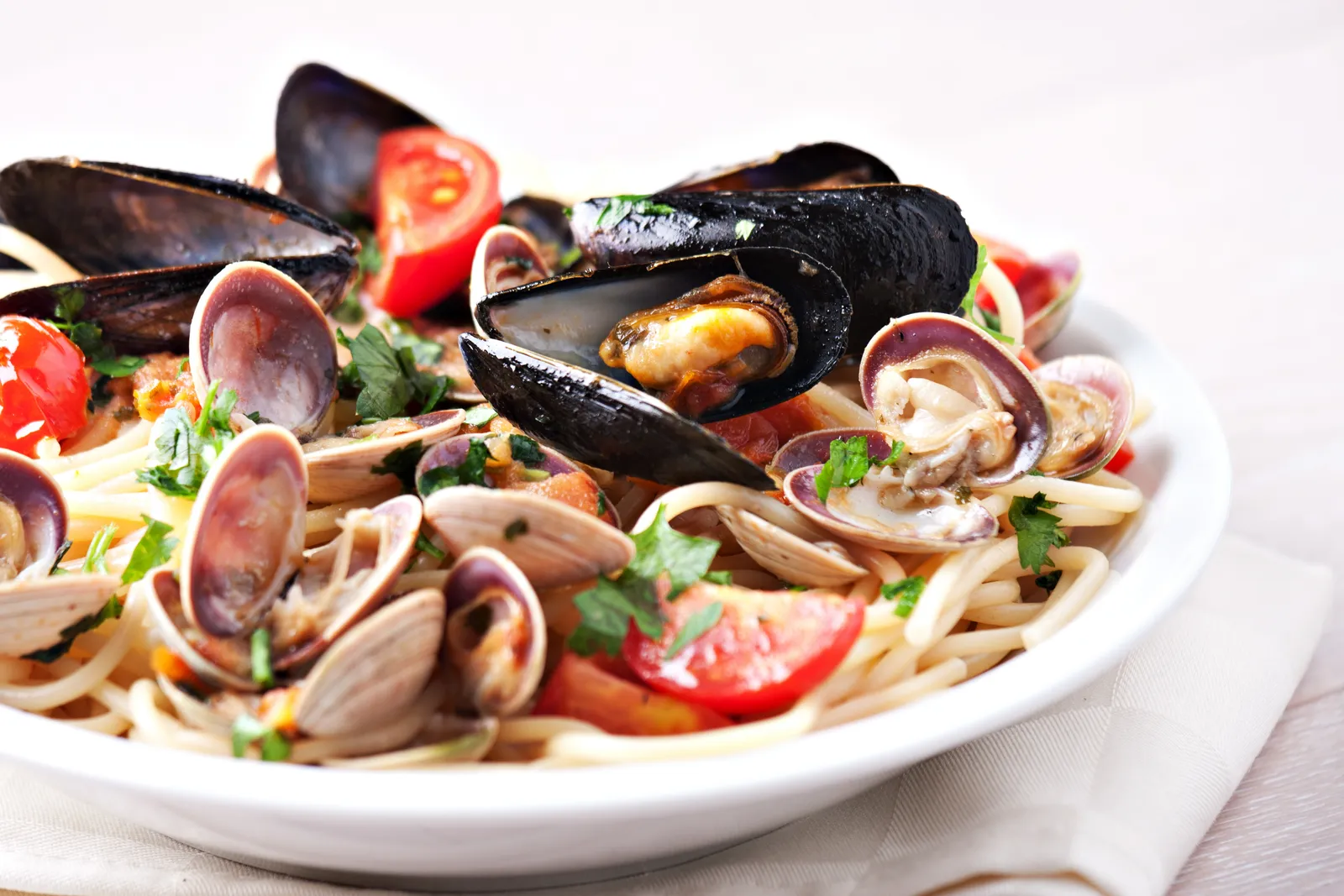
Linguine ai Frutti di Mare is one of those dishes that captures the soul of coastal Italy in every forkful. The aroma of sizzling garlic, the brininess of fresh shellfish, and the delicate sweetness of baby squid create a sauce that tastes like a seaside breeze. The long, silky linguine wraps around the seafood, absorbing all the flavors of the sea and tomatoes. Whether you choose a richer datterini tomato base or a lighter cherry-tomato sauté, the result is always luxurious and comforting. This dish transforms simple, fresh ingredients into restaurant-quality pasta that feels special—and yet is surprisingly easy to prepare at home.
Ingredients
For the Pasta
- 400 g linguine
- Extra virgin olive oil
- Fresh parsley
Mattia’s Version (Tomato & Bottarga)
- 100 g clams
- 100 g razor clams
- 100 g lupini di mare
- 100 g baby squid
- 100 g bottarga
- 300 ml datterini tomato purée
- 1 garlic clove
- 1 chili pepper
- Zest of 1 lemon
Mauro’s Version (Fresh Cherry Tomato)
- 100 g clams
- 100 g razor clams
- 100 g lupini di mare
- 100 g baby squid
- 10 cherry tomatoes, halved
- 1 garlic clove
How to Prepare Linguine ai Frutti di Mare
1. Clean and Prepare the Seafood
Rinse clams, razor clams, and lupini carefully. Let them purge in lightly salted water for 20–30 minutes. Clean the baby squid by removing the central bone, eyes, and beak, then cut into rings.
2. Start the Base
In a wide pan, heat extra virgin olive oil with a crushed garlic clove and a chopped chili pepper. Allow the garlic to gently infuse the oil until golden.
3. Add the Seafood
Add clams, razor clams, and lupini to the pan. Cover with a lid and let them open naturally. Once open, add the baby squid and stir.
4. Choose Your Style
For Mattia’s version:
Pour in the datterini tomato purée and simmer for 8–10 minutes. Add lemon zest and a spoonful of grated bottarga.
For Mauro’s version:
Add the halved cherry tomatoes and cook for 5–6 minutes until they soften. Keep the sauce light and fresh.
5. Cook the Pasta
Boil the linguine in salted water until al dente. Reserve one cup of cooking water.
6. Combine Everything
Transfer the linguine to the seafood pan. Add a splash of cooking water and toss over medium heat to create a silky emulsion.
7. Final Touches
Finish with chopped fresh parsley.
For Mattia’s version, add an extra sprinkle of bottarga on top.
Serve immediately while steaming hot.
The Origins of Linguine ai Frutti di Mare
This beloved dish has deep roots in Italy’s maritime tradition, especially along the coasts of Campania, Liguria, and southern Italy. Historically, fishermen would prepare pasta with whatever seafood was leftover from the day’s catch, creating a simple but flavorful meal. Linguine became the preferred pasta shape because its flat surface holds onto the seafood juices beautifully. Over time, each region developed its own variation—some with tomato, others without, and some enriched with chili or lemon. In modern Italian cuisine, the dish represents the perfect marriage between land and sea. The use of multiple types of shellfish reflects the bounty of Italian waters and the diversity of local seafood markets. Mattia’s tomato-based version likely descends from Campania’s love for rich, sweet tomatoes. Mauro’s lighter cherry-tomato version echoes Ligurian cooking, where seafood is treated gently and minimally. Today, Linguine ai Frutti di Mare is not just a traditional recipe but a symbol of Italian summer, coastal life, and the art of transforming humble ingredients into unforgettable flavors.
About The Author