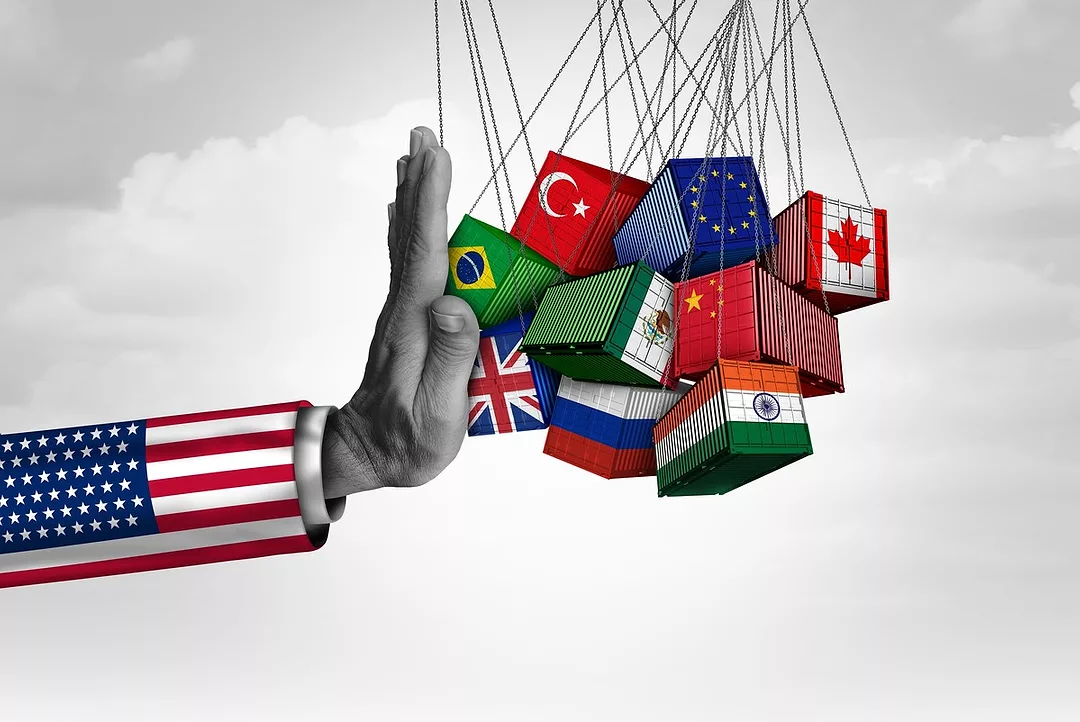
Trump Expands Tariff Relief on Brazilian Goods to Ease Consumer Price Pressures
President Donald Trump has announced another round of tariff reductions on Brazilian imports, including beef and coffee, as part of a broader strategy to lower everyday costs for American consumers.
The decision follows last week’s executive order reducing duties on a wider range of goods — including bananas, tomatoes, coffee, and beef — signaling an effort to address voter frustration over persistent affordability challenges.
This move comes shortly after Democrats secured wins in multiple state and local elections, many of which centered on economic concerns and rising household expenses.
Trump Floats “Tariff Dividend” Checks Worth $2,000
In addition to lifting duties, Trump has floated the idea of sending $2,000 rebate checks to Americans as a “tariff dividend.”
He suggested that the payments could arrive “probably in the middle of next year, maybe a little later,” though Congress would need to authorize the rebates.
However, such payouts could conflict with the administration’s plan to use tariff revenue to reduce the federal deficit.
CBO Cuts Forecast for Deficit Reduction From Tariff Revenue
The Congressional Budget Office (CBO) has downgraded its earlier estimate of how much tariffs will reduce U.S. deficits.
- Original projection (August): $4 trillion deficit reduction by 2035
- Updated projection: $3 trillion
The revision reflects lower expected revenue from tariff collections as the administration moves to reduce or suspend duties.
Supreme Court Signals Skepticism Toward Trump’s Tariff Authority
Trump recently admitted that U.S. consumers are “paying something” for his tariffs — a key point as the Supreme Court weighs the legality of his most sweeping duties.
During a high-profile hearing, six justices — a combination of liberal and conservative members — expressed skepticism about the president’s authority to impose broad, unilateral tariffs.
If the Court rules against Trump, experts expect the administration to pursue alternative mechanisms to advance its trade agenda.
Other Key Developments in Trump Tariff Policy
U.S.–Switzerland Tariff Agreement
The U.S. and Switzerland have reached a new deal to lower Swiss import tariffs to 15%, down from a surprise spike to 39% over the summer.
In return, Switzerland has pledged a massive $200 billion investment in the United States, according to the White House.
U.S.–China Trade Truce Restores Stability in Tech and Rare Earths
The U.S. and China have agreed to a temporary trade truce that includes:
- China suspending extra export controls on rare earth metals
- China ending investigations into U.S. semiconductor firms
- The U.S. pausing some of Trump’s “reciprocal tariffs” for another year
This easing of tensions is expected to stabilize the critical supply chain for tech and electric vehicles.
Tariff Changes on Indian Goods Expected
Trump also signaled that the tariff rate on imports from India may be reduced “at some point” as negotiations advance.
He said the U.S. is “close” to finalizing a broader trade agreement with New Delhi.
Bottom Line
The Trump administration’s latest trade moves represent a significant shift toward tariff relief, price stabilization, and strategic international deals — all while a major Supreme Court ruling could reshape presidential trade powers for years to come.
About The Author