What Is the FDIC? Understanding Its Origin and Purpose
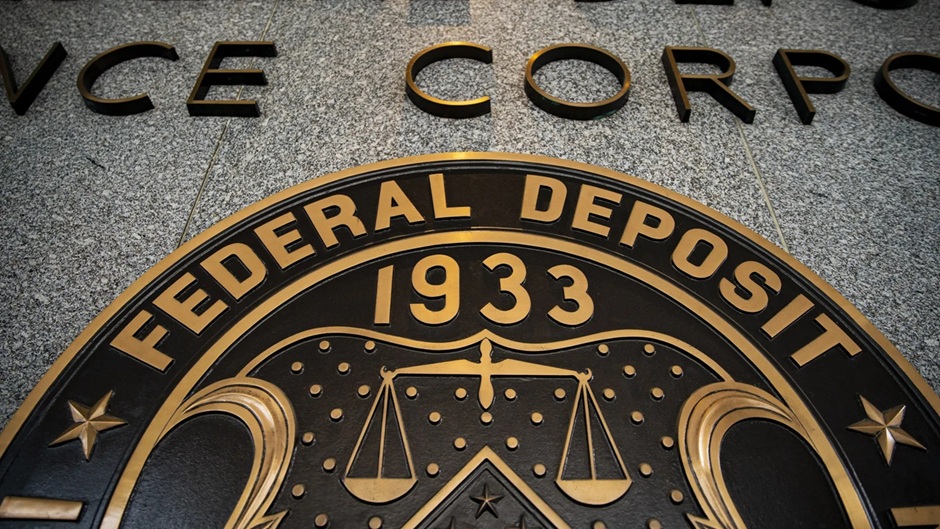
The Federal Deposit Insurance Corporation (FDIC) is an independent U.S. government agency responsible for protecting bank deposits if a financial institution fails. Established during the financial turmoil of the early 1930s, its mission has always been to strengthen public trust in the American banking system. Today, the FDIC insures deposits up to $250,000 per depositor, per institution, per ownership category.
While many people know that their checking and savings accounts are FDIC-insured, few understand how the agency came to be—and how its role has evolved alongside the nation’s banking challenges.
The Birth of the FDIC: Responding to Crisis
The U.S. banking system was in chaos after the 1929 stock market crash, leading to more than 9,000 bank failures by the spring of 1933. When President Franklin D. Roosevelt addressed Congress in March of that year, he emphasized that banking operations across the country had collapsed, and immediate action was essential.
Congress responded by passing the Emergency Banking Act of 1933, which laid the groundwork for federal deposit insurance. Shortly after, the Glass-Steagall Act formally created the FDIC. Modeled after a successful deposit-insurance program in Massachusetts, the agency initially covered deposits up to $2,500, later increasing to $5,000 in the same year.
The FDIC’s immediate impact was dramatic: only nine banks failed in 1934, restoring confidence that had been shattered during the Depression.
The FDIC’s Early Decades: Growth With Minimal Failures (1933–1980)
From the 1930s through the late 1970s, the banking sector expanded steadily. Lending increased, loan losses stayed low, and bank assets rose. Throughout these decades:
- Deposit insurance limits increased repeatedly:
- 1950: raised to $10,000
- 1966: raised to $15,000
- 1969: raised to $20,000
- 1974: raised to $40,000
- 1980: raised dramatically to $100,000
During this period, traditional banking remained conservative. Regulators were vigilant, and failures were rare. However, economic turbulence building beneath the surface would soon change everything.
The Banking Crisis of the 1980s: When Deposit Insurance Was Truly Tested
The 1980s brought a perfect storm: high inflation, surging interest rates, recession, and a wave of bank deregulation. New laws such as the Depository Institutions Deregulation and Monetary Control Act (DIDMCA) loosened lending rules, eliminated interest-rate ceilings, and allowed banks to take on more risk.
As a result:
- Loan losses soared
- Over 40 banks failed in 1982
- Around 200 banks failed in 1988, marking the worst collapse of the post-World War II era
- For the first time, the FDIC had to make significant payouts to depositors
These failures demonstrated the essential role of deposit insurance—and exposed weaknesses in the existing system.
Major Reforms and the Modern FDIC (1983–Present)
The FDIC underwent significant changes from the mid-1980s onward. Key milestones include:
- 1989: The Resolution Trust Corporation (RTC) was formed to manage failing savings and loan institutions.
- 1991: Congress introduced risk-based insurance premiums and stronger capital requirements.
- 1996: New rules prevented premium assessments for well-capitalized banks under certain conditions.
- 2006: Deposit insurance for IRAs rose to $250,000.
- 2008–2010:
- During the financial crisis, insurance coverage was temporarily raised to $250,000
- The Dodd-Frank Act made that limit permanent
- 2012: Large banks required to prepare “living wills” for orderly resolution
- 2013: Changes restricted FDIC coverage for deposits in foreign branches
Today, the FDIC maintains the Deposit Insurance Fund (DIF), funded entirely by premiums paid by insured banks—not taxpayers.
What the FDIC Insures (and Doesn’t)
FDIC-insured items include:
- Checking accounts
- Savings accounts
- Money market deposit accounts
- CDs
- Cashier’s checks, money orders, and official checks issued by insured banks
Not insured by the FDIC:
- Stocks, bonds, and mutual funds
- Annuities
- Life insurance products
- US Treasury securities (safe but insured separately)
- Contents of safe deposit boxes
- Losses from theft or fraud
What Happens When a Bank Fails?
When a bank collapses, the FDIC is legally required to protect insured depositors as quickly as possible. It typically resolves failures in two ways:
1. Purchase and Assumption (P&A) Method
Another bank takes over the failed institution’s deposits and often some of its assets. This is the most common and least disruptive method.
2. Payoff Method
If no bank is willing to acquire the failed institution, the FDIC pays insured deposits directly and liquidates the bank’s assets over time.
Notable failures in U.S. history:
- Washington Mutual (2008): Largest failure ever, with $310 billion in assets
- Silicon Valley Bank (2023): Second-largest failure, driven by rapid deposit withdrawals
Why the FDIC Still Matters Today
Nearly a century after its creation, the FDIC remains one of the most important stabilizing forces in the U.S. financial system. Its insurance fund ensures that Americans can trust their banks—even during uncertainty. By setting rules, overseeing institutions, and stepping in when banks fail, the FDIC plays a vital role in financial stability and consumer protection.
For more details on current coverage and regulations, consumers can visit the FDIC’s official website or use tools like BankFind to verify insured institutions.
About The Author