🏞️ Mercury Poisoning Crisis Deepens in the Amazon
Deep in the heart of the Brazilian Amazon, Indigenous families are confronting a growing nightmare — mercury contamination from illegal gold mining that may be causing severe neurological disabilities in children.
In the state hosting the upcoming COP30 climate summit, Brazilian public health researchers have gathered compelling evidence linking mercury exposure to brain damage and developmental disorders among Indigenous populations.
“Breast milk is no longer reliable,” said Alessandra Korap, leader of the Munduruku people, as rivers once vital for survival are now poisoned by mercury runoff.
👶 A Family’s Struggle: Children Born with Neurological Disorders
At Sai Cinza, a Munduruku community surrounded by illegal mines, the family of three-year-old Rany Ketlen has lived a painful mystery.
Rany has never been able to lift her head and suffers constant muscle spasms.
Now, researchers may have an explanation. She is one of 36 children showing signs of neurological disorders that cannot be explained by genetics — all part of a groundbreaking study exploring the health impacts of mercury from gold mining.
⚖️ Caught Between Survival and Poison
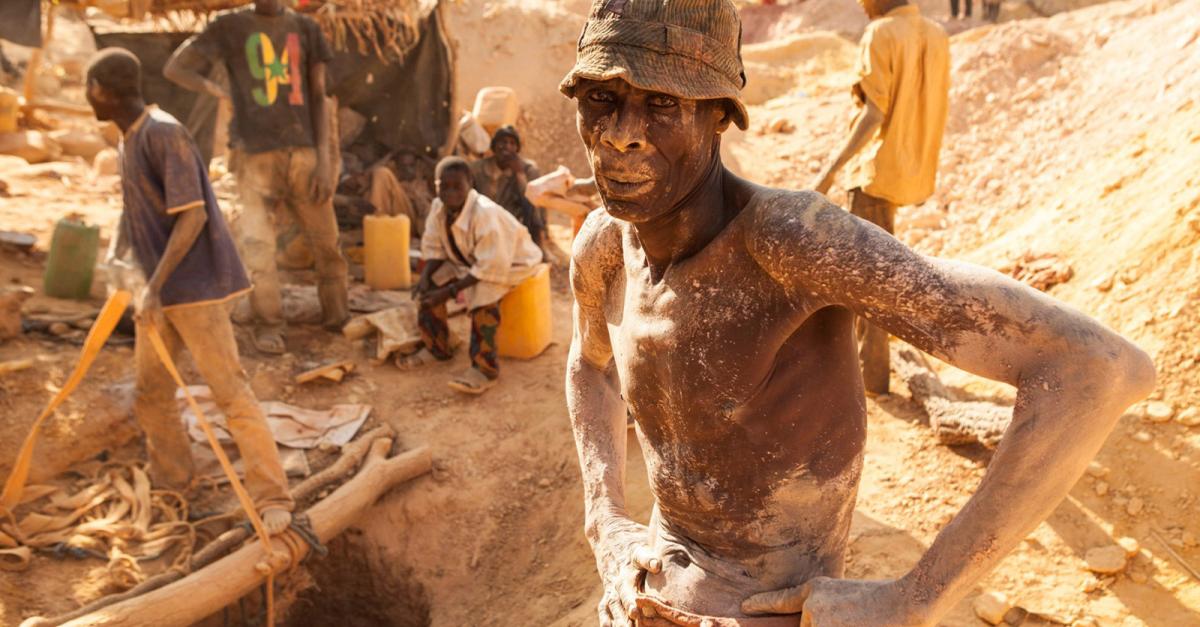
Rany’s father, Rosielton Saw, works in gold mining to support his family, using mercury to extract small gold particles from river sediment.
Though aware of its dangers, he explains that mining “brings just enough to survive.”
Their diet relies heavily on surubim fish, which accumulate high levels of mercury. Even Rany, who has trouble swallowing, consumes fish broth daily.
“If we obey their rules, we will go hungry,” said Chief Zildomar Munduruku, who cannot ask his people to abandon fish — their main food source.
🧪 The Fiocruz Study: Proving the Link Between Mercury and Disabilities
The multi-year research led by Brazil’s Fiocruz Public Health Institute seeks to scientifically prove that mercury is causing birth defects and brain disorders among Indigenous children.
The study, expected to conclude by 2026, follows 176 pregnant women and their babies to track developmental impacts.
Preliminary findings are alarming:
- Mothers in Sai Cinza showed mercury levels five times higher than the safe threshold.
- Their newborns carried three times the safe level — even before showing symptoms.
“If you don’t look for mercury disease, you won’t find it,” warned nurse Cleidiane Carvalho, who has long worked to connect researchers with affected families.
🌍 The Global Stage: COP30 and the Amazon’s Hidden Crisis
Next month, as diplomats gather in the Amazon for COP30 — dubbed the “Forest COP” — the mercury crisis is set to gain global attention.
Brazilian President Luiz Inácio Lula da Silva has expelled thousands of miners from Indigenous lands since 2023. Yet, experts warn that mercury pollution persists long after mining stops.
“Even if all gold mining ended today, the mercury already in the ecosystem will last for decades,” said Paulo Basta, a Fiocruz researcher who has studied contamination for 30 years.
🧬 Proving Mercury as the Culprit: A Scientific Challenge
Linking mercury directly to neurological disabilities is complex.
Indigenous communities often lack healthcare access, and other factors — such as infections or genetic disorders — can also play a role.
Still, researchers believe mercury is a major contributing factor among the 36 patients with unexplained disorders.
As geneticist Fernando Kok of the University of São Paulo explained, mercury testing reflects recent exposure but doesn’t always prove long-term causation.
“It’s a perfect crime, because it leaves no signature,” Kok said.
💔 A Lasting Humanitarian Crisis in the Amazon
Studies show widespread mercury exposure:
- In one 2021 study, 10 of 15 mothers in Munduruku villages had unsafe mercury levels.
- Another found 12 of 13 Yanomami villagers dangerously contaminated.
- By 2025, 546 confirmed mercury poisoning cases were logged — but researchers say that’s “just the tip of the iceberg.”
With tens of thousands of Indigenous people potentially affected, the consequences could last for generations.
🌱 Final Thoughts: Healing the Amazon’s Wounds
As the Amazon prepares to host the world’s climate leaders at COP30, the tragedy of mercury poisoning exposes a darker side of the global gold trade — one that devastates both ecosystems and human lives.
For the Munduruku, Yanomami, and Kayapó, the fight is no longer just about protecting the forest — it’s about saving their children.
About The Author