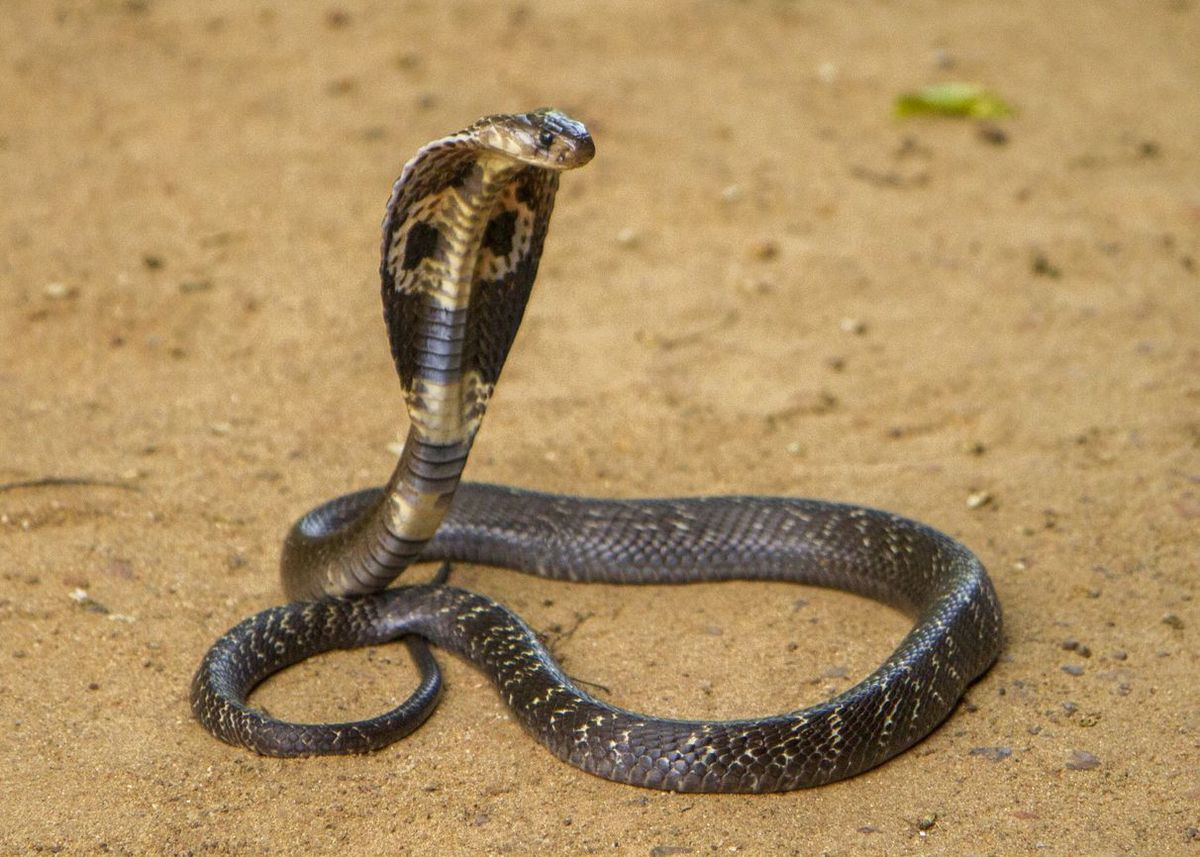
🧬 A Game-Changing Discovery in Snakebite Treatment
A global team of researchers led by Andreas Hougaard Laustsen-Kiel from DTU Bioengineering in Copenhagen has unveiled a revolutionary anti-venom that could transform how the world fights deadly snakebite envenoming, one of the most neglected tropical diseases (NTDs) today.
Unlike traditional anti-venoms derived from horse antibodies, this new solution harnesses nanobodies — ultra-small antibody fragments that can target venom toxins more precisely and safely.
💡 How Nanobody Anti-Venom Works
Conventional anti-venoms rely on large mammalian antibodies that often create an unpredictable mix — only a fraction of which neutralize the most dangerous toxins. This can lead to inconsistent quality and even severe side effects.
The new nanobody-based anti-venom changes that. Using modern biotechnology, scientists extract small, stable antibody fragments that precisely attack key venom components. These nanobodies can be combined into tailored “cocktails” that target multiple snake species simultaneously — a massive leap over existing single-species formulations.
🌍 Why a Universal Anti-Venom Is Needed
Snakebite envenoming kills 100,000–150,000 people each year, according to the World Health Organization, while leaving three times as many with life-altering disabilities such as amputations and tissue damage.
In regions like sub-Saharan Africa, where species such as cobras and mambas coexist, the lack of a universal anti-venom poses a major challenge. The venom of a Cape cobra, for example, attacks the nervous system, while that of a spitting cobra destroys tissue — requiring vastly different treatments.
A single anti-venom capable of neutralizing both could save thousands of lives every year.
🐍 Broad Protection Across 18 Snake Species
The research team has created an anti-venom cocktail of eight nanobodies capable of neutralizing venom from 18 medically significant African snake species, including:
- Black mamba (Dendroaspis polylepis)
- Jameson’s mamba (Dendroaspis jamesoni)
- Cape cobra (Naja nivea)
- Egyptian cobra (Naja haje)
- Rinkhals (Hemachatus haemachatus)
- Several spitting cobra species (Naja spp.)
In laboratory tests, the nanobody anti-venom neutralized venom from 17 out of 18 species, showing exceptional promise.
⚕️ Faster Action, Fewer Side Effects
Nanobodies are smaller and more agile than conventional antibodies, enabling them to penetrate tissues faster and counteract damage even when treatment is delayed.
Researchers say nanobodies also carry a lower risk of triggering immune reactions, meaning doctors could administer treatment earlier without waiting for severe symptoms — a key advantage over current methods that often delay treatment to prevent allergic responses.
🧪 What’s Next: Clinical Trials on the Horizon
With sufficient funding and institutional support, clinical trials could begin within one to two years, and a market-ready treatment could emerge within three to four years, according to the team.
The breakthrough study, titled “Nanobody-Based Recombinant Antivenom for Cobra, Mamba, and Rinkhals Bites,” was recently published in Nature, marking a milestone in modern toxinology and global health innovation.
🌐 A Turning Point for Neglected Tropical Diseases
This innovation could mark the beginning of a new era in anti-venom development — one that replaces century-old methods with precise, reproducible, and scalable biotechnology.
If successful, nanobody anti-venoms could become a cornerstone of global health equity, offering affordable and reliable protection for millions at risk of snakebite envenoming.
About The Author