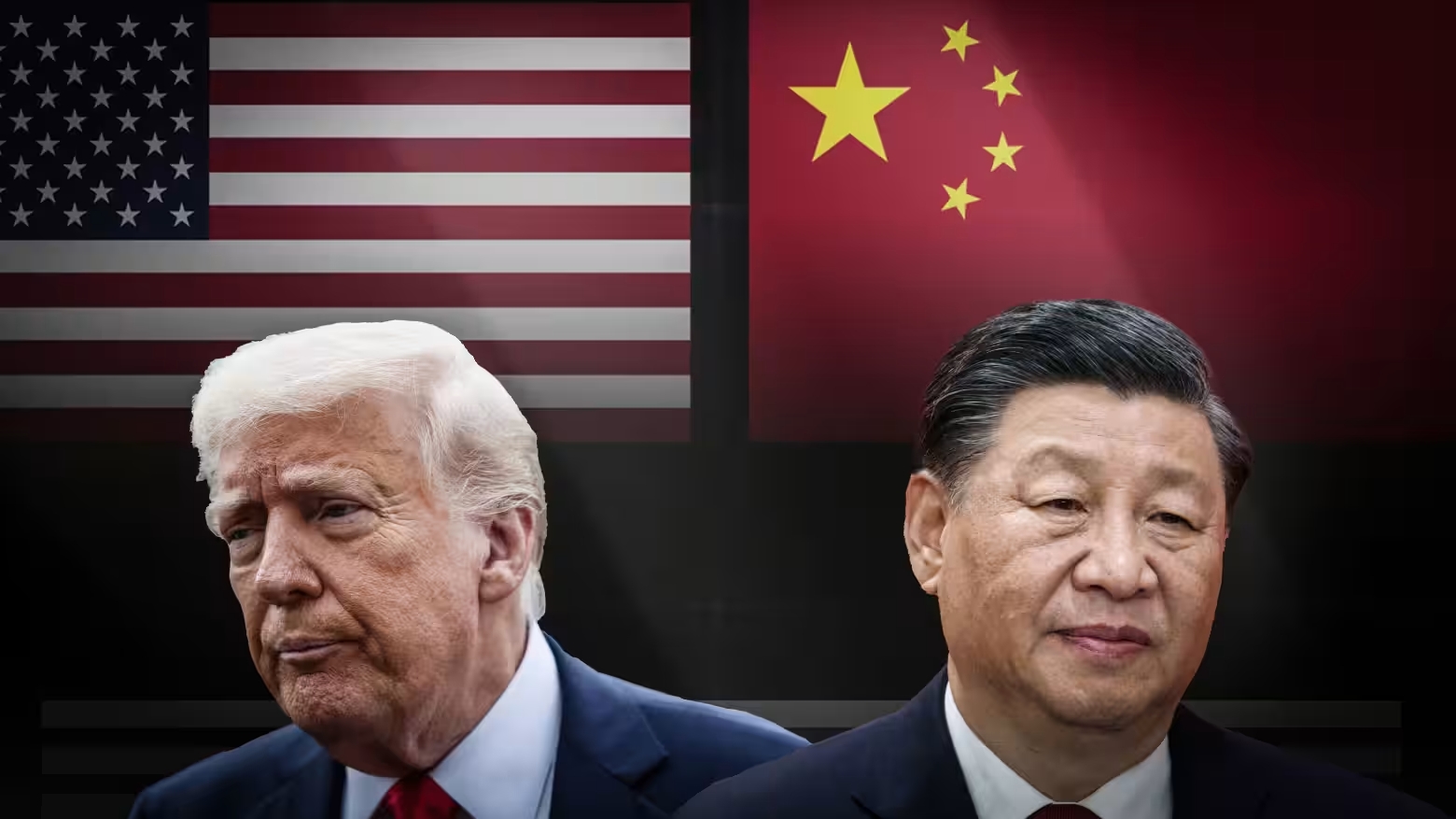
Trump Strengthens U.S. Ties in Southeast Asia with New Trade and Minerals Agreements
KUALA LUMPUR, Oct 26 — In a strategic move to counter China’s tightening grip on rare earth exports, U.S. President Donald Trump signed a series of trade and critical minerals deals with four Southeast Asian countries — Thailand, Malaysia, Cambodia, and Vietnam — during the ASEAN summit in Malaysia.
The agreements are designed to reduce trade imbalances, lower tariffs, and secure critical supply chains for the United States amid global concerns over resource dependency.
Zero Tariff Rates and Trade Access Boost for Southeast Asia
Under the new framework, the U.S. will cut tariffs from 19% to zero for selected exports from Thailand, Malaysia, and Cambodia. A similar deal was inked with Vietnam, which currently faces a 20% tariff rate.
Vietnam has pledged to increase imports of American goods to help reduce its $123 billion trade surplus with the U.S., strengthening bilateral economic ties and improving trade balance.
Malaysia and Thailand Join U.S. Critical Minerals Supply Chain
President Trump also signed separate agreements with Thailand and Malaysia to bolster cooperation in critical minerals, a key sector used in the production of semiconductors, electric vehicles, and defense technologies.
Malaysia confirmed it would not impose bans or quotas on critical mineral exports to the U.S., ensuring a steady supply for American manufacturers. However, the statement did not clarify whether the pledge covers raw or processed rare earths.
Malaysia holds an estimated 16.1 million tonnes of rare earth deposits and is positioning itself as a global hub for downstream mineral processing.
Reducing Tariff Barriers and Expanding Market Access
The trade deals also include provisions to eliminate tariff and non-tariff barriers, promote digital trade and investment, and uphold labor and environmental protections.
- Thailand committed to removing tariffs on 99% of goods and easing foreign ownership limits in telecommunications.
- Malaysia secured tariff exemptions for aerospace, pharmaceuticals, and commodities such as palm oil, cacao, and rubber.
- The U.S. and Thailand announced $2.6 billion in agricultural imports, including feed corn and soybean meal, along with $18.8 billion in aircraft purchases and $5.4 billion in energy imports like LNG and crude oil.
Strategic Impact: Countering China’s Rare Earth Monopoly
China remains the world’s top miner and processor of rare earth elements and has recently imposed strict export controls on refining technology. These new U.S.-ASEAN deals mark a major effort to diversify supply chains and reduce dependency on Chinese exports.
Earlier reports indicated Beijing was negotiating with Malaysia on joint rare earth processing projects. The U.S.’s new agreements seek to counterbalance China’s growing influence in the sector and secure long-term mineral independence.
Looking Ahead: A New Chapter for U.S.-ASEAN Economic Relations
The trade and mineral pacts signed in Kuala Lumpur highlight Washington’s renewed focus on Southeast Asia as a strategic partner in global trade and resource security.
As the U.S. deepens ties with ASEAN nations, these agreements could reshape global supply chains and strengthen America’s economic position in the Indo-Pacific region — particularly in the race for critical mineral dominance.
About The Author