📘 What Does It Mean to Invest in Dividend Stocks?
Investing in dividend stocks means buying shares of companies that regularly distribute a portion of their profits to shareholders. These payments — known as dividends — provide investors with steady income alongside potential capital appreciation.
There are two main ways to invest in dividend stocks:
- Buying individual dividend-paying companies
- Investing in dividend-focused mutual funds or ETFs
Each approach has its own benefits, risks, and ideal investor profile.
🏦 1. Building a Portfolio of Individual Dividend Stocks
Creating a dividend stock portfolio starts with identifying your financial goals and risk tolerance. Are you looking for long-term growth, or do you want a steady income stream?
Once you define your investment objectives, you can explore dividend-paying companies across multiple sectors — such as utilities, healthcare, finance, and consumer goods.
🔍 How to Find Dividend Stocks
You can research potential dividend stocks by:
- Using financial screening tools on investment websites
- Accessing online brokerage platforms
- Consulting a qualified financial planner
📊 Evaluating Dividend Stocks: Key Metrics to Watch
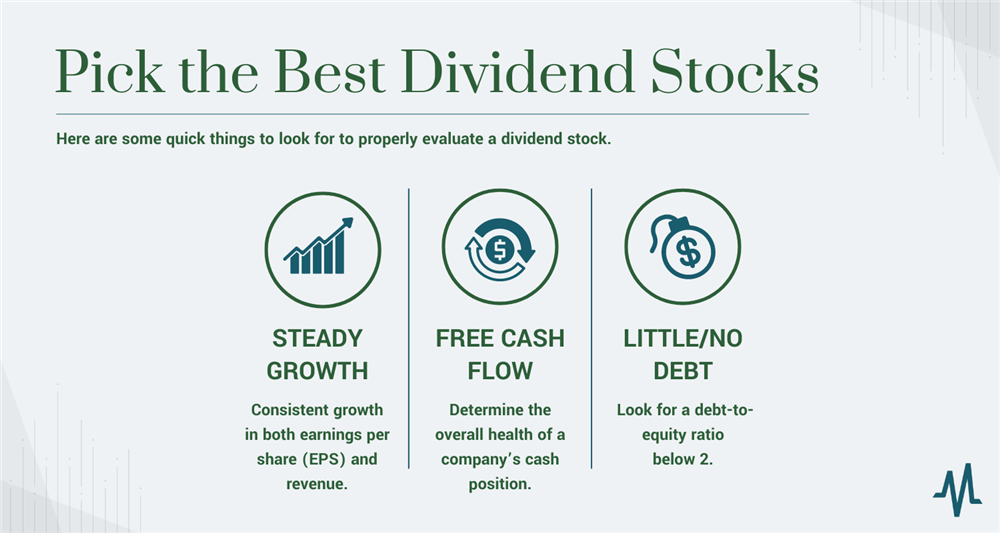
When choosing which dividend stocks to buy, investors should compare companies based on several important indicators:
- Dividend Yield: Shows the annual dividend as a percentage of the stock price. A high yield may look appealing but can signal potential risk or a falling stock price.
- Payout Ratio: Measures how much of a company’s profit is paid out as dividends. A lower ratio generally means more sustainability.
- Consistency & Growth: Look for companies with a history of regular dividend increases, such as the Dividend Aristocrats or Dividend Kings.
💡 Tip: Reliable dividend payers with a track record of growth tend to provide more stable income during market volatility.
💼 2. Dividend Mutual Funds and ETFs: The Passive Income Approach
If you prefer diversification without managing individual stocks, consider dividend mutual funds or dividend ETFs.
These funds pool money from many investors and buy shares of multiple dividend-paying companies — giving you instant diversification and regular income distributions.
⚖️ Benefits of Dividend Funds
- Diversified exposure to hundreds of dividend stocks
- Lower risk if one company cuts its dividend
- Automatic reinvestment options for compounding returns
However, keep in mind that funds charge an annual expense ratio, which can slightly reduce your total returns.
💰 Portfolio Allocation: How Much to Invest in Each Stock
Proper portfolio diversification helps reduce risk. For instance, if you’re building a portfolio of 20 dividend stocks, you might allocate 5% of your capital to each company.
Your personal goals, risk tolerance, and time horizon will determine the right allocation strategy for your needs
🧠 Final Thoughts: The Power of Dividend Investing
Whether you buy individual dividend stocks or invest through mutual funds and ETFs, dividend investing is a proven way to generate long-term wealth and passive income.
By focusing on quality companies with consistent payouts, you can create a portfolio that rewards you — not just through capital gains, but through steady cash flow for years to come.
About The Author