Global Debt Becomes a Top Priority at the G20
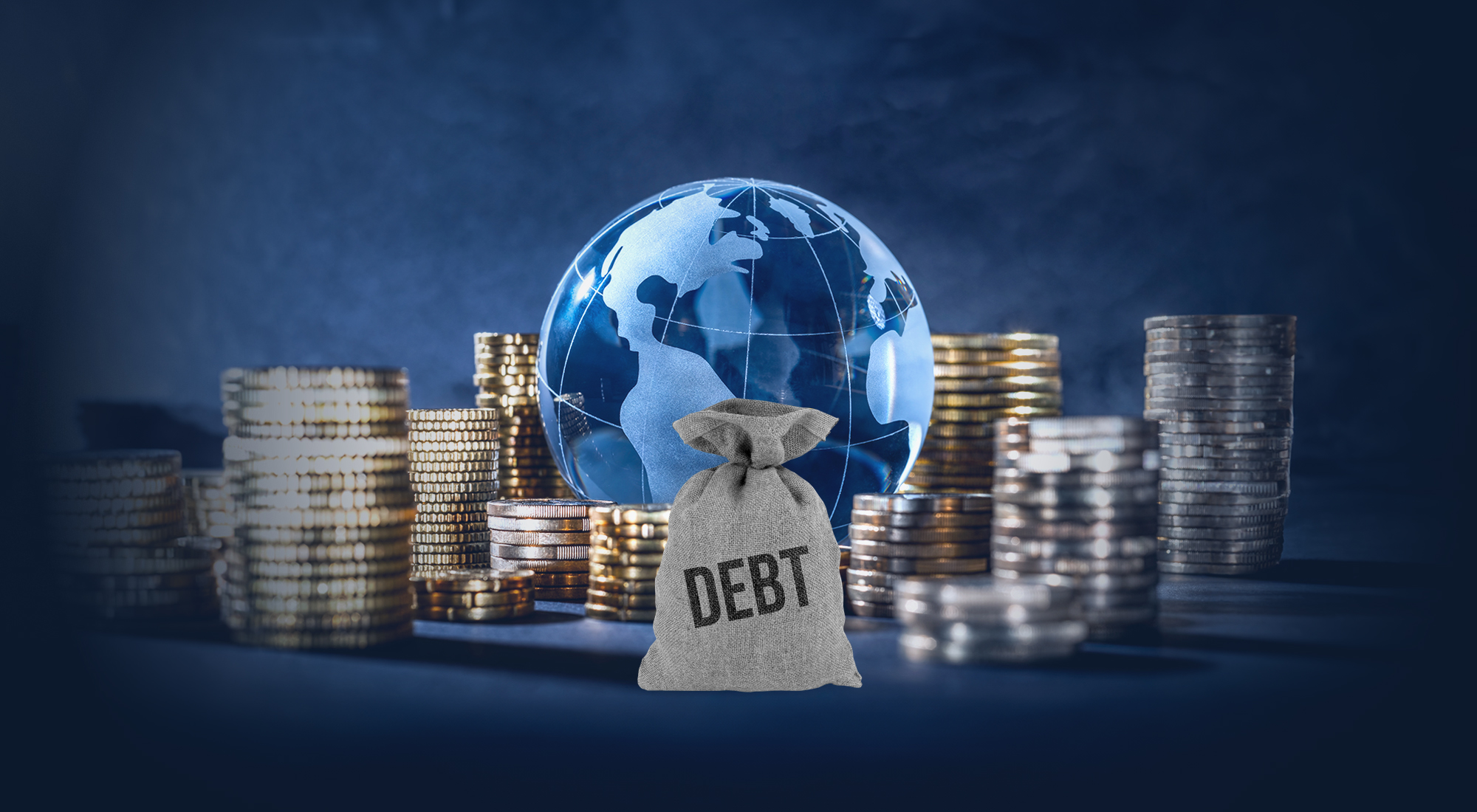
As the world’s top finance ministers and central bankers gather for the G20 finance meeting, one issue is dominating discussions — global debt.
South African Reserve Bank Governor Lesetja Kganyago cautioned that the rapid rise in debt across both developing and advanced economies now poses a serious risk to global financial stability.
Speaking on the sidelines of the IMF and World Bank Annual Meetings in Washington, Kganyago revealed that the Financial Stability Board (FSB) has officially elevated global debt concerns to a top-tier agenda item for the G20.
“The issue of debt is not just an emerging market problem,” Kganyago emphasized.
“It is a global issue, and a challenge even for developed economies.”
IMF Warns: Global Debt Could Hit 123% of GDP by 2029
The International Monetary Fund (IMF) projects that global public debt will surpass 100% of global output by 2029.
Under a more severe “adverse but plausible” scenario, debt could balloon to 123% of global GDP, reaching levels unseen since the aftermath of World War II.
Economists warn that sustained borrowing, high interest rates, and weak fiscal buffers could trigger what IMF fiscal chief Vitor Gaspar calls a “fiscal-financial doom loop”, leaving countries vulnerable to future crises.
G20 to Address Debt as South Africa Hands Presidency to the U.S.
The ongoing G20 summit, set to conclude Thursday, is expected to issue a declaration directly addressing global debt management and debt sustainability.
As South Africa prepares to hand over its presidency to the United States, Kganyago highlighted that maintaining continuity and collaboration is a key priority.
“At the end of the meeting, we will know exactly what the U.S. will take forward,” Kganyago said.
“In accepting the chair, they will outline what initiatives they will carry on and what new priorities they will introduce.”
Civil Society Pushes for Deeper Debt Relief
While policymakers debate debt frameworks, civil society organizations have expressed frustration over the slow pace of debt relief efforts under South Africa’s G20 leadership.
A letter signed by 165 global organizations — including Eurodad and the Malala Fund — called for more comprehensive debt restructuring and greater transparency in the global financial system.
Advocates argue that without systemic reform, low- and middle-income nations will remain trapped in a cycle of unsustainable debt and austerity.
Key Achievement: Cross-Border Payments Reform
Despite criticism, Kganyago pointed to a major success during South Africa’s presidency — the elevation of cross-border payments within the G20 framework.
“It proved to be a very good proposition,” Kganyago said.
“Everyone, including the U.S., signed off on this initiative — a crucial step toward faster, cheaper, and more transparent international payments.”
This reform, seen as vital for both global trade and developing economies, could help reduce transaction costs and improve financial inclusion worldwide.
Looking Ahead: A Fragile Global Outlook
As the G20 transitions to U.S. leadership, the global debt crisis remains a pressing threat to financial stability.
With public debt levels soaring and fiscal buffers thinning, policymakers face mounting pressure to balance economic recovery with fiscal discipline.
The world will be watching closely to see whether the G20 can deliver concrete solutions — or if rising debt will continue to weigh on global growth well into the next decade.
About The Author