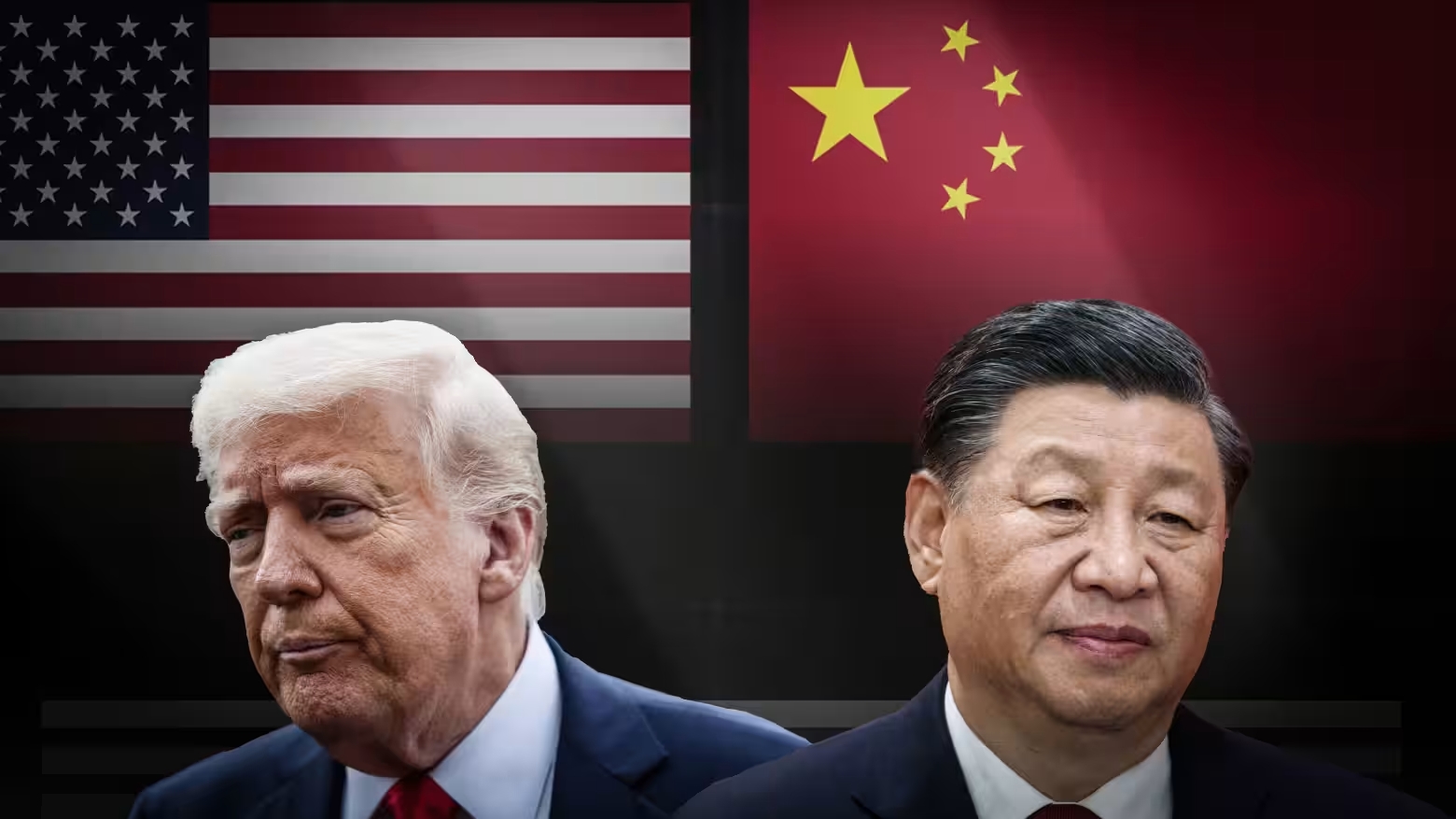
The global economy braces for turbulence as U.S. President Donald Trump threatens a 130% tariff on China ahead of the APEC Summit. Will a Trump–Xi meeting revive talks—or trigger a new trade war? Here’s what to watch this week in global markets, inflation, and Fed policy.
🌍 The Trump–Xi Tension That Could Shake the World Economy
The global economy is on edge as another episode of the “Trump vs. Xi” trade drama unfolds this week. Ironically, the U.S. government remains partly shut down—meaning few official September data releases—just as the world’s two largest economies face the possibility of a major trade shock.
President Donald Trump’s proposed 130% tariff on Chinese goods, set to take effect November 1, could send shockwaves through GDP, jobs, and inflation in both nations.
But uncertainty reigns: Trump has yet to confirm whether he’ll meet Chinese President Xi Jinping during the Asia-Pacific Economic Cooperation (APEC) Summit in Seoul (Oct 31–Nov 1). Despite heated rhetoric, both leaders have signaled that negotiations are not dead, offering a glimmer of hope that dialogue will resume before the tariff hammer drops.
🇨🇳 “Don’t Worry About China” — Trump’s Latest Message
In a recent Truth Social post, Trump appeared to soften his tone:
“China’s economic troubles will all be fine. The U.S. wants to help China, not hurt it.”
He added:
“Highly respected President Xi just had a bad moment. He doesn’t want depression for his country—and neither do I.”
This unexpected diplomatic pivot comes as China tightens export restrictions on rare earth minerals, signaling it still holds leverage in the escalating trade standoff.
💬 The Fed Takes the Stage
While geopolitical drama dominates headlines, Federal Reserve Chair Jerome Powell will share his latest economic outlook on Tuesday.
Other Fed officials scheduled to speak this week include:
- Michelle Bowman (Tue, Thu)
- Christopher Waller (Tue, Wed, Thu)
- Stephen Miran (Wed, Thu)
- Michael Barr (Thu)
Their remarks could shape expectations for the Fed’s next round of rate cuts, especially as inflation remains stubbornly near 3%.
💼 Corporate Earnings to Watch
This week’s banking sector earnings may offer the clearest real-time snapshot of U.S. economic health. Major financial institutions reporting include:
- Tuesday: BlackRock (NYSE: BLK), Citigroup (NYSE: C), Goldman Sachs (NYSE: GS), JPMorgan Chase (NYSE: JPM), and Wells Fargo (NYSE: WFC)
- Wednesday: Bank of America (NYSE: BAC) and Morgan Stanley (NYSE: MS)
Analysts expect cautious forward guidance amid slowing loan growth, tighter credit conditions, and tariff uncertainty.
📊 Key Economic Data to Watch
Even with limited releases during the government shutdown, several crucial data points will still reach investors—and could influence Fed policy in the weeks ahead.
1️⃣ Consumer Price Index (CPI) – Wednesday
According to the Cleveland Fed’s Inflation Nowcasting, September’s inflation data should show:
- Headline CPI: +2.99% y/y
- Core CPI: +2.95% y/y
This confirms that while Trump’s tariffs haven’t spiked inflation, they’ve prevented prices from cooling to the Fed’s 2% target.
2️⃣ Producer Price Index (PPI) – Thursday
The big question: was last month’s 0.1% drop in PPI a fluke or a sign that inflation pressures are easing?
Economists expect September PPI Final Demand to land around +3.0% y/y, suggesting producers are still grappling with elevated input costs tied to tariffs and supply bottlenecks.
3️⃣ NFIB Small Business Survey – Tuesday
With the federal shutdown limiting labor data, the NFIB Small Business Optimism Index will be a crucial read on the jobs market and hiring sentiment. Watch for shifts in job openings, wage plans, and credit access—key indicators of small business resilience.
4️⃣ Regional Fed Surveys – Wednesday & Thursday
Regional manufacturing gauges will help gauge whether U.S. factory activity is stabilizing after September’s slump:
- New York Fed Index (Wed): Expect potential rebound after a steep 20.6-point drop to –8.7.
- Philadelphia Fed Index (Thu): A test of whether September’s 24-point surge to 23.2 (the highest since January) was sustainable or just noise.
📈 What It All Means for Markets
Investors face a volatile mix of geopolitics, monetary policy, and data gaps.
If Trump’s threatened tariffs take effect, the short-term hit could:
- Slow U.S. GDP growth by up to 0.7 percentage points.
- Push China’s exports down sharply amid falling global demand.
- Complicate the Fed’s inflation fight, forcing Powell to walk a fine line between supporting growth and maintaining price stability.
But if Trump and Xi revive talks at APEC, markets could see a relief rally—and central banks might gain the breathing room needed to steer inflation closer to target.
About The Author