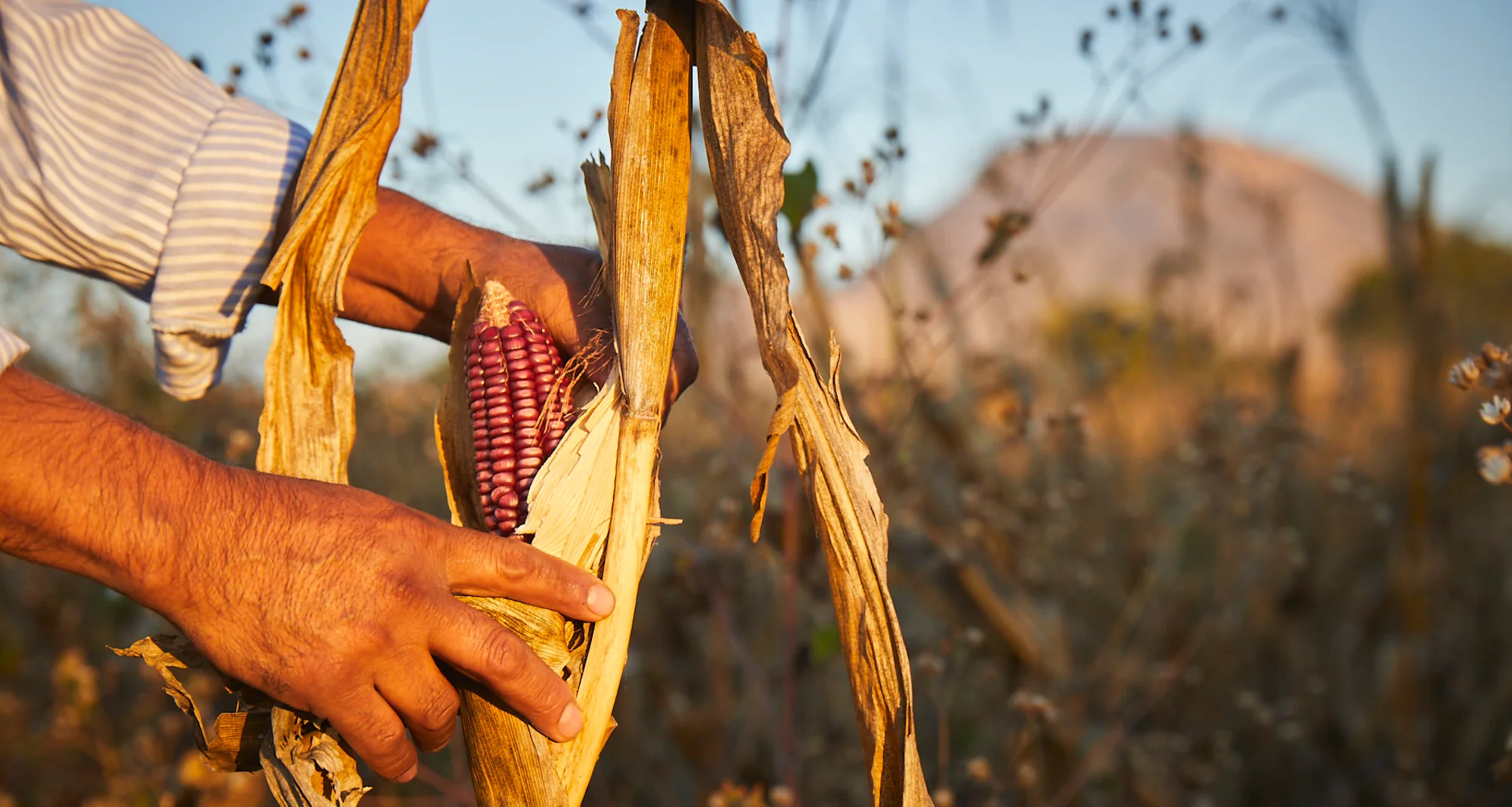
Record Corn Harvest Tests Farmers Amid Growing Debt
In the heart of Iowa, Kyle Wendland tends Comeback Farms, a family-run operation that survived the 1980s farm crisis. But this summer, a record-breaking U.S. corn harvest isn’t the boon many expected—it’s another financial headache.
With bills piling up and the farm economy in recession, Wendland and other Midwestern farmers scouted fields to measure what President Trump’s administration predicted would be the largest corn crop in U.S. history. Yet, this bounty has contributed to some of the lowest corn prices in years.
“People are looking for hope out here,” Wendland said, as he surveyed the sweltering fields.
USDA Data Scrutiny and Market Uncertainty
As Trump reduced USDA staffing by offering buyouts to over 15,000 employees, questions arose about the reliability of government crop data. Delayed trade reports, missing climate data, and misreported export figures have made farmers and traders wary.
Despite these challenges, the USDA maintains its data is timely and accurate. However, hand-on-the-field surveys like the Pro Farmer Crop Tour have gained importance, providing boots-on-the-ground insight when official reports feel incomplete.
Pro Farmer Crop Tour: Counting Corn by Hand
The Pro Farmer Crop Tour is an annual Midwest tradition, where farmers, traders, and brokers measure corn and soybean fields with tape measures and tally sheets. Started in the 1970s, the survey has expanded across Ohio, Iowa, Indiana, Minnesota, South Dakota, and Nebraska.
This year, scouts reported heavy ears and dense rows, confirming what USDA satellite data suggested: a record harvest. Yet, for debt-laden farmers, bigger yields don’t mean bigger profits.
- Iowa break-even price for corn: $4.58 per bushel
- August 2025 average cash price: $3.89 per bushel
The irony is stark: the larger the crop, the lower the price, exacerbating financial pressure on small and mid-sized farms.
Debt Pressures Mount in a Recessionary Farm Economy
Farm debt is approaching $600 billion, a historic high. Tighter credit, rising interest rates, and lingering trade disruptions from Trump-era policies—particularly on China—have compounded the struggle.
China, typically the largest buyer of U.S. soybeans, hasn’t purchased this year’s crop, forcing farmers to rely on exports to Mexico and Canada, ethanol production, and livestock feed to maintain revenue.
Yet, abundant yields have kept prices depressed, leaving many farmers with corn worth less than their cost of production.
Crop Diseases and Field Challenges
Despite the abundant harvest, trouble looms. Southern rust—a fungal disease—has spread across the Midwest, affecting corn quality. Severe weather, hail, and wind have battered fields, highlighting the precarious balance between record production and financial sustainability.
Farmers navigating these challenges rely heavily on USDA data, but reduced staffing and a government shutdown have limited access to vital information. Private analytics are available to large agribusinesses, but smaller farms must often trust surveys and local knowledge.
USDA Adjusts Predictions Amid Record Planting
After cross-checking farmer-submitted crop insurance data, the USDA revised its 2025 corn production forecast to 16.814 billion bushels, confirming a record-setting harvest. While this validates earlier Pro Farmer surveys, it also underscores the financial dilemma: more corn in the bins translates to lower prices for producers.
The Cost of Abundance
In a farm economy already burdened by debt, this year’s record corn crop demonstrates a paradox: abundant production doesn’t always equate to prosperity. Farmers face:
- Low market prices
- Rising operational costs
- Uncertainty from trade policies
- Reduced access to government support data
As Wendland and his peers navigate fields heavy with corn, the challenge isn’t growing the crop—it’s finding a way to survive financially in a system where bigger yields may mean bigger losses.
Conclusion:
The 2025 corn harvest shows that even record-setting production can deepen financial strain for American farmers. With farm debt at unprecedented levels and trade policies limiting key exports, Midwestern agriculture faces a delicate balance between productivity and profitability.
About The Author